How Long Does Semaglutide Take to Work? A Realistic Timeline
⚕️ Medical Disclaimer
The information provided in this article is for educational, general reference, and informational purposes only and does not constitute formal medical advice, diagnosis, or treatment protocols. Healthcare choices involving prescription therapies, including GLP-1 medications such as semaglutide, should always be evaluated in consultation with a licensed medical professional. Do not disregard professional medical guidance or delay seeking clinical oversight based on information read on this platform.
🔬 Treatment Timeline Analysis
Most people quit semaglutide before it has had a fair chance to work, because nobody told them what the first months are supposed to look like. This breakdown covers the realistic timeline, why the early weeks feel underwhelming by design, and when results actually arrive.
The stories that reach you about semaglutide tend to be the dramatic ones: the transformation, the before and after, the person who barely recognises themselves. What those stories almost never include is the timeline, and the result is that people start treatment with an unspoken expectation of rapid change and quietly conclude within a month that it is not working for them.
That conclusion is usually wrong, and it is expensive. The early phase of GLP-1 treatment is deliberately slow for reasons that have nothing to do with whether the drug suits you, and understanding the actual shape of the curve is the difference between abandoning something that would have worked and seeing it through. Here is what the months genuinely look like.

Weeks One to Four: The Dose Is Not the Point Yet
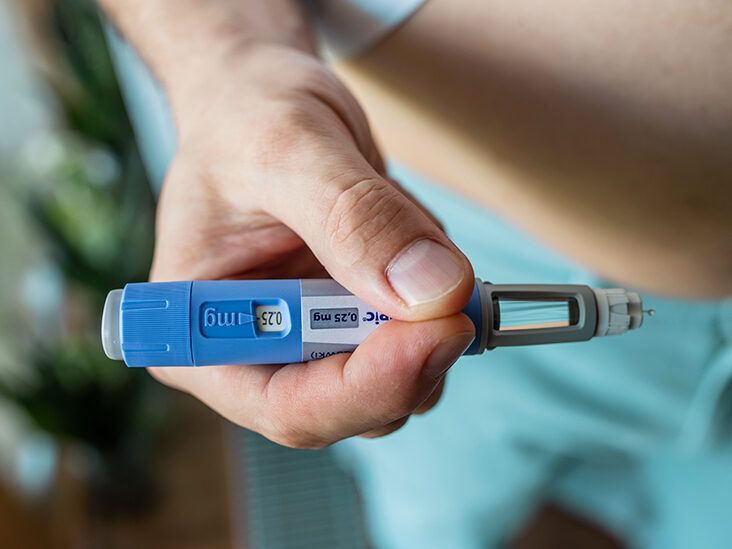
Semaglutide is not started at a treatment dose. It begins at a low starting dose that is generally not expected to produce meaningful weight loss at all, and its purpose is to let your digestive system acclimatise before the amount increases. Doses then step up gradually over a period that commonly runs around four to five months before reaching a full maintenance level.
This matters enormously for expectations. Judging the medication during month one is like judging a book by its copyright page. Many people do notice something in these early weeks, typically a change in appetite rather than the scale: meals feel finishable sooner, the pull toward snacking softens, and food occupies less mental space. That shift is the drug beginning to work, and it is the signal worth watching rather than the number.
Supporting Performance While Your Body Changes?
Weight loss journeys take months, and many men want dependable performance throughout. Consult online with licensed telehealth providers about whether generic sildenafil is appropriate for you.
Explore Generic Sildenafil Options →Months Two to Four: The Climb
This is where the medication starts to earn its reputation. As the dose escalates, appetite suppression typically deepens and consistent weight loss usually becomes visible. It is also, unhelpfully, when side effects are most likely to appear, because each dose increase asks your digestive system to adjust again. Nausea and related complaints cluster around these transitions and commonly settle as the body adapts.
The pattern people find most confusing here is that the loss is not linear. Weeks where nothing moves are entirely normal and do not indicate failure, because bodies shed weight in steps rather than a smooth line. This is the phase where habits matter most, since the medication is reducing your appetite and what you do with that reduced appetite determines much of the eventual result.

What to Expect, and When
| Phase | What Is Actually Happening | The Common Mistake |
|---|---|---|
| The First Month | A low starting dose lets your system adapt; appetite may shift before the scale does. | Concluding it does not work, when it has not yet reached a working dose. |
| Months Two to Four | Doses step up, appetite suppression deepens, and steady loss usually begins. | Panicking at flat weeks, which are a normal part of a non-linear curve. |
| Months Six to Eighteen | The bulk of the result accumulates before loss gradually plateaus. | Treating the plateau as failure rather than the maintenance phase. |
The Long Middle: Where the Results Actually Live
The large clinical trials that established semaglutide for weight management ran for well over a year, and that duration is the single most instructive fact about this treatment. In the landmark trial programme, participants on the higher weight-management dose lost roughly fifteen percent of their body weight on average over about sixty-eight weeks, with weight continuing to fall for most of that period before levelling off.
Read that sentence again with the timeline in mind. The headline figure people quote is a result measured after more than a year of continuous treatment, not after a few months. Research published through the National Institutes of Health and elsewhere consistently shows this extended trajectory. If you are three months in and comparing yourself to that number, you are comparing a chapter to a book.

The Plateau Is Not the Drug Quitting
Eventually the weight loss slows and stops. This alarms people, who reasonably interpret it as the medication losing effect, but it is what the trial data predicts and what a body settling at a new equilibrium looks like. Your smaller body needs less energy, and at some point intake and expenditure meet. That is not failure; it is arrival.
What the plateau does raise is the question of what happens next, and this is where an honest conversation matters. Evidence indicates that stopping GLP-1 treatment is commonly followed by substantial regain, which reframes these medications as ongoing management of a chronic condition rather than a temporary course. Regulatory information maintained by the U.S. Food and Drug Administration reflects this long-term framing, and it deserves to be part of your decision from day one rather than a surprise at month eighteen.
Looking for Flexible, Longer-Lasting Support?
Tadalafil's extended window removes the pressure of timing a dose. Connect safely online with licensed providers to evaluate whether a generic tadalafil plan fits your needs.
Explore Generic Tadalafil Options →Why Your Timeline Will Not Match Anyone Else's
Averages hide enormous variation. In the trials, some participants lost far more than the headline figure and some lost considerably less, and the same medication at the same dose produced genuinely different outcomes in different bodies. Starting weight, metabolic health, other medications, sleep, activity, and factors nobody has fully mapped all influence where you land.
This is the strongest argument against benchmarking yourself against a stranger on the internet. The useful comparison is you against your own trajectory, tracked with a clinician who can adjust the pace, manage side effects through escalation, and tell you whether what you are seeing is normal variation or a reason to change the plan. That oversight is what keeps people on treatment long enough for it to work.
The Verdict: Give It the Time the Evidence Says It Needs
Semaglutide is a slow medication by design, and almost every disappointment with it traces back to expecting otherwise. The first month is preparation, the following months are the climb, and the results that made this drug famous were measured well over a year in. Watch appetite rather than the scale early, treat flat weeks as normal, understand that the plateau is the destination rather than a fault, and go in knowing this is long-term management. Patience is not a nice-to-have here. It is the treatment.
Ready to start a weight loss plan with realistic expectations?
Complete an online medical evaluation questionnaire, discuss the realistic timeline with verified providers, and receive your private care packages delivered directly to your home with Ryn Health.
Start Your Online Vitality Assessment Now →Related insights from the Ryn Health medical blog
Keep reading
Semaglutide Side Effects: What's Normal and What Isn't
How to Preserve Muscle While Losing Weight on GLP-1 Medications
