How Obstructive Sleep Apnea Degrades Testosterone Production and Insulin Sensitivity
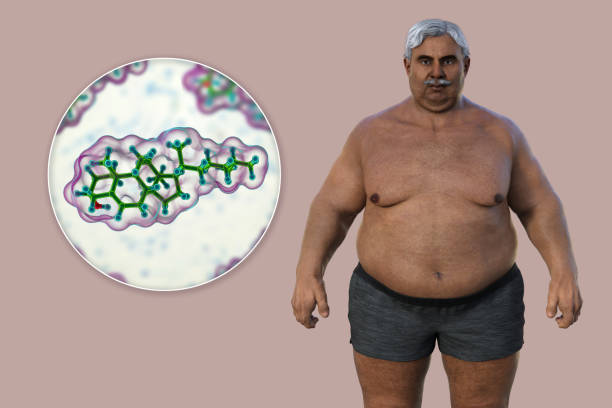
⚕️ Medical Disclaimer
The information provided in this article is for educational, general reference, and informational purposes only and does not constitute formal medical advice, diagnosis, or treatment protocols. Healthcare choices involving prescription therapies, including Sildenafil and Tadalafil, should always be evaluated in consultation with a licensed medical professional. Do not disregard professional medical guidance or delay seeking clinical oversight based on information read on this platform.
🌙 Nocturnal Hypoxia & Endocrine Protocol
Evaluating the structural impacts of sleep architecture fragmentation on the hypothalamic-pituitary-gonadal (HPG) axis is critical to addressing chronic lethargy and metabolic decay. This brief details the mechanisms linking airway blockages to severe hormonal drops and insulin path restrictions.
When men experience a gradual drop in physical stamina, chronic brain fog, and a sudden inability to burn stubborn abdominal fat, they often focus exclusively on daytime lifestyle variables. They adjust their workout metrics or track their nutrition windows, yet notice their metrics remain completely flat. In a significant volume of aging men, the true underlying structural obstacle occurs entirely while they are asleep.
Obstructive Sleep Apnea (OSA)—characterized by periodic upper airway collapse during sleep—does not simply cause loud snoring or daytime drowsiness. It acts as an aggressive endocrine disruptor. Each micro-suffocation event drops blood oxygen metrics and shards your deep sleep cycles, directly crippling your body's natural hormone production networks and resetting your cellular insulin responses.

Deep Sleep Deprivation & The LH Pulse
The vast majority of a man’s daily testosterone output is generated during consolidated periods of Rapid Eye Movement (REM) and slow-wave deep sleep states. To trigger this production, your brain must release rhythmic pulses of Luteinizing Hormone (LH) during uninterrupted rest. When airway blockages force your body to wake up briefly to gasp for oxygen, it shreds this fragile sleep architecture completely.
By constantly breaking up deep rest patterns, your brain fails to reach the continuous REM baselines required to maintain normal male hormone synthesis. Clinical evaluations archived by the National Institutes of Health verify that severe sleep fragmentation can lower free androgen metrics independently of primary organ disease, accelerating fat storage loops and vitality loss.
Looking to Breakthrough Stubborn Weight and Energy Ceiling Plateaus?
Target metabolic resistance at the cellular level. Connect with licensed practitioners online to evaluate if custom compounded semaglutide match your weight milestones.
Explore Compounded Semaglutide →Hypoxia-Driven Insulin Resistance: The Cortisol Cortège
Beyond restricting your androgen output, the drop in blood oxygen (nocturnal hypoxia) caused by sleep apnea sends your sympathetic nervous system into an active panic loop. Your body interprets the temporary lack of oxygen as a life-threatening stress event, instantly flooding your bloodstream with high volumes of cortisol and adrenaline to force you awake.
Elevated nighttime cortisol directly blocks your insulin receptors from clearing sugars from your blood. This constant stress forces glucose into your visceral fat tissue fields around your abdomen. Research published by the American Diabetes Association notes that hypoxia-driven stress actively drives insulin resistance, trapping men in a cycle where fat tissue grows and sleep quality declines further.

Sleep Apnea & Endocrine Decay Indicators
| Pathological Trigger | Impact on Sleep Architecture | Systemic Vitality and Metabolic Outcome |
|---|---|---|
| Sleep Fragmentation | Breaks up slow-wave deep sleep; blocks necessary REM cycles completely. | Suppresses nocturnal LH pulses, triggering drops in baseline free testosterone. |
| Nocturnal Hypoxia | Drops oxygen levels repeatedly, activating sympathetic nervous system fight or flight states. | Triggers extreme cortisol surges, blocking glucose paths and raising blood sugar. |
| Visceral Fat Accumulation | Increases fat storage around the neck and trunk fields, worsening airway collapse. | Creates a severe, looping link that accelerates metabolic decay and performance loss. |
Sustaining Circulatory Strength and Performance Integrity
When your body faces nocturnal oxygen dips and high cortisol levels, it simultaneously impairs your blood vessels. This continuous stress decreases nitric oxide production within your arteries, causing endothelial tissues to contract and stiffen. Over time, this vascular strain often leads to a noticeable loss of structural firmness mid-way through intercourse.
Utilizing specialized phosphodiesterase type 5 (PDE5) inhibitors protects your vascular performance while you work to correct your metabolic sleep issues. Guidance documents updated by the U.S. Food and Drug Administration confirm that modern PDE5 inhibitors safely keep blood flow channels relaxed and responsive, eliminating performance anxiety loops comfortably.
Looking for Extended, 36-Hour Spontaneity and Circulation?
Regain predictable vascular responsiveness. Connect safely with licensed experts online to evaluate custom low-dose daily tadalafil options.
Explore Generic Tadalafil Options →The Power of Dual Receptor Agonists on Visceral Neck Fat Fields
The single most effective method for reversing sleep apnea-driven endocrine damage is reducing the physical fat tissue mass pressing against your upper airway. Shifting your weight management strategy to dual GLP-1/GIP hormone mimetics provides a highly powerful intervention. Dual co-agonists optimize how your system manages sugar while accelerating visceral adipose reduction.
Endocrine telemetry details verified by the The Endocrine Society confirm that reducing visceral fat storage clear throat restrictions. Eliminating airway blockages restores normal nocturnal hormone cycles and lowers insulin resistance, protecting your lean body structure and performance health permanently.

The Verdict: Restoring Sleep Frameworks Reclaims Long-Term Vitality
Resolving chronic low testosterone and stubborn fat retention requires evaluating your sleep architecture alongside standard daytime indicators. By reducing trunk tissue layers to eliminate airway collapse, you stop nighttime cortisol surges and allow your brain to restart normal LH production pulses safely. Partnering with a dedicated telehealth provider gives you the professional, medical-grade tools needed to rebalance your system and secure lasting performance success.
Ready to clear metabolic bottlenecks and reclaim your vitality?
Complete your online medical evaluation questionnaire, consult with licensed providers, and receive premium medical care boxes delivered directly to your home with Ryn Health.
Start Your Telehealth Consultation Now →Related insights from the Ryn Health medical blog
Keep reading
How Metabolic Syndrome Accelerates Male Pattern Baldness and Androgenic Alopecia

Tadalafil Microdosing for Vascular Blood Flow and Athletic Recovery Metrics