Losing Erection During Sex: 12 Structural Reasons It Keeps Happening and Dynamic Circulatory Treatments
⚕️ Medical Disclaimer
The information provided in this article is for educational, general reference, and informational purposes only and does not constitute formal medical advice, diagnosis, or treatment protocols. Healthcare choices involving prescription therapies, including Sildenafil and Tadalafil, should always be evaluated in consultation with a licensed medical professional. Do not disregard professional medical guidance or delay seeking clinical oversight based on information read on this platform.
🔬 Clinical Diagnostics Manual
Experiencing a sudden loss of firmness mid-intercourse is a widespread physiological event that directly reflects your body's vascular and autonomic regulation. This diagnostic profile breaks down the structural, metabolic, and neural factors causing erectile decay, alongside the dynamic circulatory treatments used to restore performance consistency.
Experiencing difficulty maintaining structural firmness throughout intimacy can be deeply frustrating, but it is fundamentally a physical plumbing and signaling challenge. While popular media often characterizes erectile dysfunction (ED) as a total inability to achieve an initial erection, a highly common variation is the sudden loss of rigidity mid-intercourse. Resolving this issue permanently requires moving past performance anxiety to analyze the physical parameters governing blood retention.
Healthy erectile function relies on a continuous balance between arterial blood inflow and venous containment. If this balance is disrupted by restricted blood vessels, sudden nerve changes, or fluctuating hormone levels, your body will struggle to hold blood within the tissue chambers. Identifying the precise structural triggers allows patients to transition to modern, targeted treatments that restore long-term performance confidence.

Evaluating the Core Physiological Triggers of Rigid Decay
The mechanical process of holding an erection requires your smooth muscles to remain relaxed so that blood flow channels stay open. The moment your sympathetic nervous system is triggered—whether by a sudden distracting thought, temperature change, or a brief flash of anxiety—it releases adrenaline. This hormone instantly constricts your arteries, draining blood away from the tissue and ending the erectile response loop.
When this loss of firmness happens repeatedly, it often signals early-stage metabolic or circulatory changes. Standard urological health data archived by the American Urological Association demonstrate that mid-event performance drops are frequently the first physical indicator of restricted blood vessels or mild nerve signaling delays. Correcting these underlying bottlenecks restores predictable, healthy vascular support.
Looking for a Fast-Acting Circulatory Solution?
Access high-purity generic sildenafil through a private online evaluation. Secure a licensed practitioner review and discreet home shipping to optimize your performance window.
Explore Sildenafil Treatment Options →The 12 Structural Reasons Your Erection Loses Rigidity
To map out an effective treatment plan, you must first identify the precise biological or behavioral roadblock causing your system to lose its firm state mid-way through intercourse:
- 1. Early Endothelial Dysfunction: The inner linings of your blood vessels fail to generate enough nitric oxide, preventing them from staying fully dilated.
- 2. Venous Leakage Matrix: Structural changes in the surrounding tissue prevent your veins from closing completely, allowing blood to escape back into the body.
- 3. Cortisol-Driven Vasoconstriction: Brief moments of performance worry trigger sudden drops in nitric oxide, immediately tightening penile arteries.
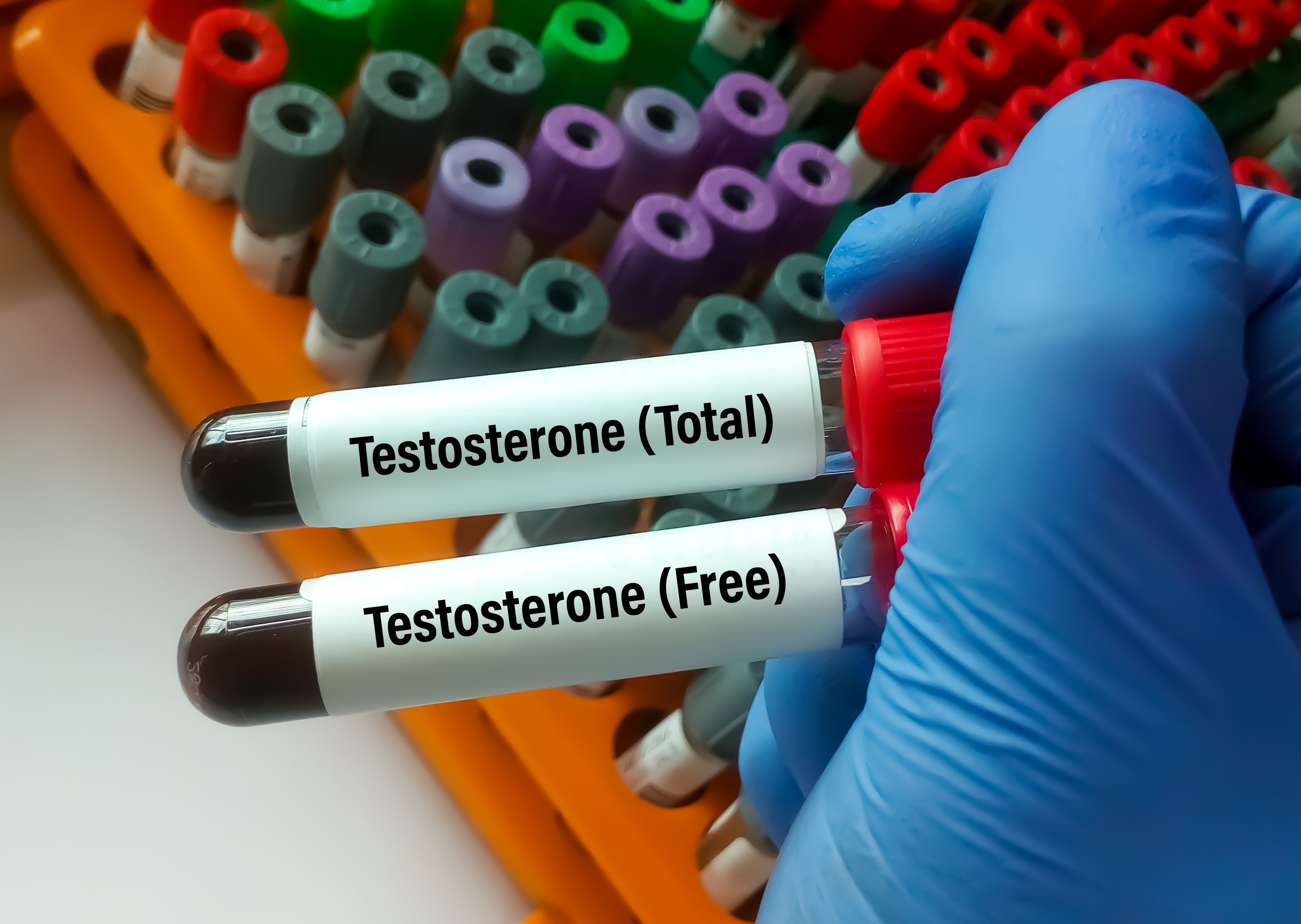
- 4. Fluctuating Testosterone Baselines: Low androgen levels diminish your body's natural sensitivity to intimacy cues, weakening the neural signal required to maintain blood flow.
- 5. Autonomic Neuropathy: Early nerve changes, often linked to elevated blood sugar, slow down the communication loop between your brain and vascular tissue.
- 6. Subclinical Atherosclerosis: Microscopic plaque accumulation inside your internal pudendal arteries narrows blood pathways, reducing overall inflow pressure.
- 7. Prescription Medication Interference: Certain standard blood pressure or mood-regulating treatments can inadvertently alter your vascular response loops.
- 8. Metabolic Syndrome Fatigue: Elevated visceral fat percentages disrupt how your body manages insulin, causing systemic inflammation that strains your circulatory networks.
- 9. Nicotine-Induced Vasospasms: Chronic nicotine use constricts peripheral blood vessels, undermining the tissue dilation required for long-term firmness.
- 10. Pelvic Floor Muscle Weakness: Weakened deep structural muscles reduce your ability to naturally apply pressure to outflow veins, leading to premature softening.
- 11. Alcohol-Induced Central Suppression: Consuming alcohol sedates your central nervous system, blocking the continuous nerve signals required to maintain an erection.
- 12. Chronic Peroneal Nerve Compression: Long periods of cycling or sedentary sitting can temporarily compress pelvic pathways, dulling physical sensation loops.

Vascular Performance Recovery Matrix
| Root Dysfunction | Clinical Testing Indicator | Target Telehealth Protocol |
|---|---|---|
| Arterial Narrowing | Slower initial response times; firmness drops when changing positions. | On-demand PDE5 inhibition to maximize cyclic GMP accumulation and expand arterial pathways. |
| Venous Escape | Achieves immediate maximum rigidity but softens rapidly within minutes of penetration. | Daily low-dose tadalafil options to sustain continuous smooth muscle relaxation and hold blood volumes. |
| Metabolic Stress | Accompanied by increased abdominal fat, low energy levels, and high blood sugar trends. | Incretin hormone optimization pathways paired with targeted weight reduction schemas. |
Dynamic Circulatory Treatments: The Role of PDE5 Regulators
To reverse mid-event erectile softening, modern medicine targets the underlying phosphodiesterase type 5 (PDE5) enzymes that cause blood vessels to constrict. By blocking these enzymes, treatments safely preserve cyclic Guanosine Monophosphate (cGMP) levels inside your pelvic tissues. This actions ensures your smooth muscles remain relaxed, keeping blood flow open and dependable throughout intimacy.
Clinical updates published by the U.S. Food and Drug Administration confirm that modern PDE5 inhibitors provide an exceptionally safe, highly predictable method for treating erectile dysfunction. Selecting a treatment path that aligns with your relational style allows you to completely eliminate performance anxiety and regain full control over your physical responses.
Looking for Extended, 36-Hour Performance Flexibility?
Discover the long-lasting advantages of generic tadalafil. Connect with licensed medical experts online to build a treatment framework that removes the pressure of timing.
Explore Tadalafil Treatment Options →The Crucial Link Between Visceral Fat Loss and Sexual Vitality
Many patients are unaware that carrying excess visceral fat directly harms erectile performance. Abdominal fat tissue acts as an active endocrine factory that continuously converts your natural testosterone into estrogen. This hormonal imbalance dampens libido signals and degrades the vascular health required to maintain structural firmness.

Clinical studies managed by the American Diabetes Association show that reducing body fat percentages significantly improves erectile function. Utilizing advanced metabolic support tools to reduce weight helps lower systemic inflammation, naturally increases testosterone production, and boosts circulatory strength throughout your body.
The Verdict: Proactive Diagnostic Actions Eliminate Frustration
Losing an erection during intercourse is a manageable physical challenge that can be corrected by identifying your primary vascular triggers and using modern medical care. By opening restricted arteries with tailored PDE5 treatments and improving your underlying metabolic profiles, you can completely protect your performance consistency. Consulting with an expert telehealth network ensures you secure a safe, professional, and highly effective vitality blueprint built for long-term success.
Ready to restore your absolute physical confidence?
Complete a confidential health questionnaire, consult with a licensed online practitioner, and secure discreet door-to-door delivery of your treatment with Ryn Health.
Start Your Private Telehealth Review Now →Keep reading

Peptide Stacking Configurations for Metabolic Acceleration and Tissue Repair

Does Sildenafil Work If You Drink Alcohol or Eat a Heavy Meal?