What Are GLP-1 Medications and How Do They Work for Weight Loss?
Learn what GLP-1 medications are, how they work in the body, and why they are used for weight loss. A simple, clear guide to GLP-1 treatments and their benefits.
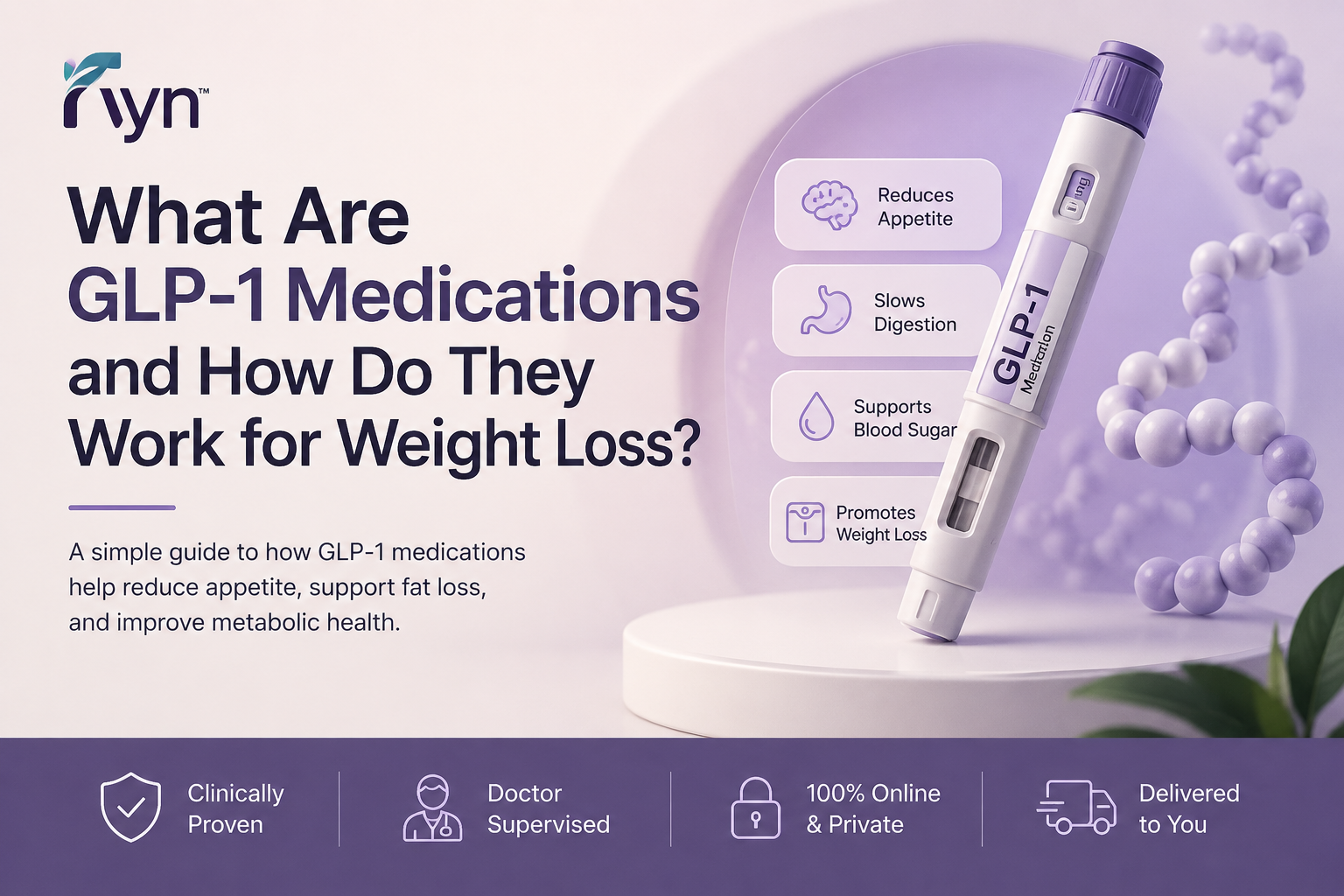
GLP-1 medications have become one of the most widely discussed treatments in modern weight loss and metabolic health. But many people still ask a simple question: what are GLP-1 medications, and how do they actually work?
In simple terms, GLP-1 medications are prescription treatments that help regulate appetite, digestion, and blood sugar. Originally developed for type 2 diabetes, they are now widely used in medical weight loss programs because of their strong effect on hunger control and eating behavior.
This guide breaks down exactly how they work inside the body and why they are becoming a major tool in modern weight management.
Understanding GLP-1 Medications
GLP-1 stands for glucagon-like peptide-1, a natural hormone produced in the gut.
GLP-1 medications mimic this hormone to help regulate several key functions in the body, including:
Appetite and hunger signals
Blood sugar regulation
Digestion speed
Feelings of fullness after meals
Some of the most commonly prescribed GLP-1 medications include semaglutide and tirzepatide. These medications were first used to treat diabetes, but clinical use revealed significant weight loss benefits.
How GLP-1 Works in the Body
To understand GLP-1 medications, it helps to understand how the natural hormone works after eating.
When you eat a meal, GLP-1 is released to help your body:
Signal fullness to the brain
Slow down digestion
Trigger insulin release when needed
Reduce appetite after eating
1. Appetite regulation
GLP-1 medications reduce hunger signals in the brain. Many users report feeling full faster and eating significantly less without forcing dietary restrictions.
2. Slower digestion
Food remains in the stomach longer, which increases satiety and reduces frequent snacking.
3. Blood sugar stability
These medications help regulate insulin response, reducing spikes and crashes that often lead to cravings.
4. Reduced food cravings
GLP-1 also interacts with brain pathways linked to reward and cravings, often reducing “food noise” and emotional eating patterns.
Why GLP-1 Medications Lead to Weight Loss
Weight loss with GLP-1 medications is primarily driven by reduced calorie intake over time. This happens naturally because appetite and cravings are significantly lowered.
Most users experience:
Smaller portion sizes without effort
Reduced snacking between meals
Faster satiety during meals
Lower overall calorie intake
Over time, this consistent reduction in calorie consumption leads to gradual and sustained weight loss.
Who Typically Uses GLP-1 Medications?
GLP-1 medications are generally prescribed for individuals who:
Are overweight or living with obesity
Have difficulty controlling appetite or cravings
Have weight-related health conditions
Have struggled to lose weight through lifestyle changes alone
These treatments are prescribed under medical supervision and are intended for long-term metabolic health management.
What Results Can You Expect?
Results vary depending on the individual, but many people experience noticeable changes in appetite within the first few weeks.
Common outcomes include:
Reduced appetite early in treatment
Gradual weight loss over several months
Improved control over eating habits
Better metabolic health markers
GLP-1 medications are most effective when combined with sustainable lifestyle habits.
Are GLP-1 Medications Safe?
GLP-1 medications are FDA-approved and widely studied for both diabetes and weight management.
Common side effects may include:
Nausea
Mild digestive discomfort
Reduced appetite
Temporary fatigue
These side effects are usually mild and often improve as the body adjusts. Medical supervision is important for safe and effective use.
Final Thoughts
GLP-1 medications represent a major shift in how weight loss is approached medically. Instead of relying only on willpower, they work with the body’s natural hormonal systems to regulate appetite and support healthier eating behavior.
For many individuals, they offer a structured, medically guided option for long-term weight management when traditional methods have not been effective.
As with any treatment, the best results come from combining medication with consistent lifestyle habits and proper medical guidance.
Frequently Asked Questions
What are GLP-1 medications used for?
They are used to help regulate blood sugar and support weight loss by reducing appetite and increasing fullness.
Do GLP-1 medications really work for weight loss?
Yes. Clinical studies and real-world use show significant weight loss when used consistently under medical supervision.
How fast do GLP-1 medications work?
Some users notice appetite changes within weeks, with gradual weight loss over several months.
Are GLP-1 medications safe?
Yes, they are FDA-approved and considered safe when prescribed and monitored by a licensed healthcare provider.
TryRyn — GLP-1, Hair Loss & Sexual Wellness Personalized telehealth for GLP-1 weight loss, hair restoration, and sexual wellness. Get prescribed online and delivered to your door.
Keep reading

How to prevent muscle loss on semaglutide glp1 weight loss

How belly fat converts testosterone to estrogen aromatase enzyme
