Can Weight Loss Increase Testosterone? What Research Shows
Learn how weight loss may affect testosterone levels, libido, body fat, and overall hormone health in men.
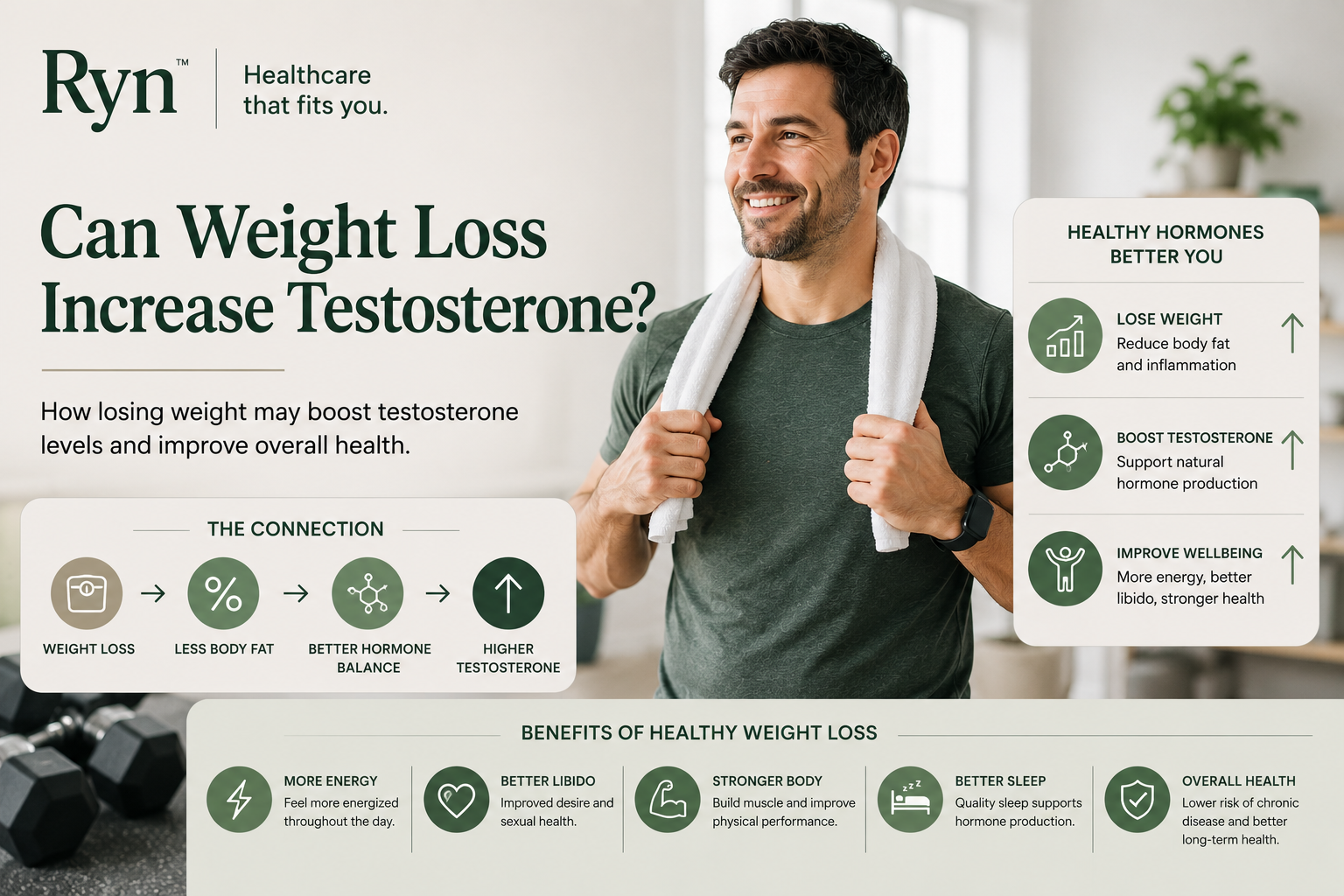
Can Weight Loss Increase Testosterone?
Testosterone and body weight are closely connected. As men gain excess body fat, hormonal changes can occur that may affect testosterone production, energy levels, libido, and overall health. This connection has led many men to wonder whether losing weight can help increase testosterone levels naturally.
Research suggests that body composition plays an important role in hormone health. Men with obesity or higher body fat percentages are often more likely to have lower testosterone levels than men who maintain a healthy weight. While testosterone naturally declines with age, excess body fat may contribute to a more significant reduction in hormone production.
The encouraging news is that weight loss may help improve testosterone levels in some men. Studies have shown that losing excess weight can positively affect hormone balance, particularly when weight loss is achieved through sustainable lifestyle changes such as improved nutrition and regular exercise.
However, the relationship between weight loss and testosterone is not always straightforward. Individual results vary, and many factors influence hormone levels beyond body weight alone.
In this guide, we'll explore the connection between weight loss and testosterone, what current research shows, and how healthy lifestyle changes may support both hormone health and overall wellbeing.
Quick Answer
Research suggests that weight loss may help increase testosterone levels in some men, particularly those who are overweight or obese. Reducing excess body fat can improve hormone balance, decrease inflammation, and support healthier testosterone production. However, results vary based on age, health status, and lifestyle factors.
| Factor | Potential Impact on Testosterone |
|---|---|
| Weight Loss | May support higher testosterone levels |
| Reduced Body Fat | May improve hormone balance |
| Exercise | Supports metabolic and hormone health |
| Better Sleep | May support testosterone production |
Understanding the Link Between Body Fat and Testosterone
Body fat is more than just stored energy.
Fat tissue actively participates in hormone regulation and can influence testosterone levels through several biological mechanisms.
One important factor is an enzyme called aromatase.
Aromatase helps convert testosterone into estrogen. As body fat increases, aromatase activity may also increase, potentially contributing to lower testosterone levels.
Excess body fat may also contribute to:
- Increased inflammation
- Insulin resistance
- Metabolic dysfunction
- Reduced physical activity
These factors can further affect hormone production and overall health.
What Research Says About Weight Loss and Testosterone
Multiple studies have found that weight loss may be associated with improvements in testosterone levels.
Research suggests that men who lose excess body fat often experience:
- Increased testosterone levels
- Improved metabolic health
- Better insulin sensitivity
- Enhanced energy levels
The amount of improvement varies between individuals and may depend on factors such as:
- Starting body weight
- Age
- Overall health
- Lifestyle habits
- Degree of weight loss achieved
Generally, larger and sustained reductions in body fat tend to produce more noticeable hormonal benefits.
Why Belly Fat May Matter
Abdominal fat is often associated with greater health risks than fat stored elsewhere in the body.
Excess belly fat has been linked to:
- Lower testosterone levels
- Higher inflammation
- Increased cardiovascular risk
- Insulin resistance
Reducing abdominal fat may help support healthier hormone balance and improve overall health outcomes.
Because belly fat is metabolically active, even modest reductions may have meaningful health benefits.
Can Weight Loss Improve Libido?
Libido and testosterone are closely connected.
When testosterone levels improve, some men may notice positive changes in sexual desire and overall wellbeing.
Weight loss may also contribute to improved libido through:
- Increased confidence
- Better cardiovascular health
- Improved energy levels
- Better sleep quality
Because sexual health is influenced by multiple factors, improvements may occur even before significant changes in testosterone levels are measured.
Can Weight Loss Help Erectile Dysfunction?
Weight loss may help reduce some risk factors associated with erectile dysfunction.
Conditions commonly linked to ED include:
- Obesity
- High blood pressure
- Diabetes
- Poor circulation
- Cardiovascular disease
Improving overall health through sustainable weight loss may support better erectile function for some men.
However, erectile dysfunction can have many causes, which is why professional evaluation remains important.
The Best Lifestyle Strategies for Supporting Testosterone
Weight loss works best when combined with healthy habits that support hormone health.
Effective strategies include:
Strength Training
Resistance exercise helps support muscle growth, metabolic health, and overall wellbeing.
Regular Physical Activity
Consistent movement supports cardiovascular health and weight management.
Quality Sleep
Sleep plays a major role in testosterone production and recovery.
Balanced Nutrition
A nutrient-rich diet supports hormone production and overall health.
Stress Management
Chronic stress can negatively affect multiple hormones, including testosterone.
Together, these habits often provide greater benefits than focusing on weight loss alone.
When to Consider Testosterone Testing
Men experiencing symptoms of low testosterone may benefit from professional evaluation.
Common symptoms include:
- Reduced libido
- Fatigue
- Mood changes
- Difficulty building muscle
- Increased body fat
- Erectile dysfunction
Testing can help determine whether hormone levels may be contributing to symptoms.
Healthcare providers typically use blood tests and symptom assessments when evaluating testosterone health.
Explore Treatment Options
For men experiencing erectile dysfunction or sexual performance concerns, physician-guided treatment can help identify potential causes and appropriate solutions.
Sildenafil (Generic Viagra®)
https://www.tryryn.com/products/sildenafil-generic-viagra
Sildenafil helps improve blood flow and is one of the most commonly prescribed treatments for erectile dysfunction.
Tadalafil (Generic Cialis®)
https://www.tryryn.com/products/tadalafil-generic-cialis
Tadalafil offers a longer duration of action and may provide greater flexibility for some patients.
A healthcare provider can help determine whether symptoms may be related to hormone levels, circulation, lifestyle factors, or another health condition.
Related Reading
- Healthy Male Body Fat Percentage
- Signs of Low Testosterone in Men
- How to Test Testosterone Levels
- What Testosterone Level Is Considered Low?
- Testosterone and Libido: Understanding the Connection
- Can Low Testosterone Cause ED?
- Best Vitamins for Testosterone Support
- Does Shilajit Increase Testosterone?
Why More Men Are Choosing Telehealth
Telehealth has made it easier than ever for men to discuss hormone health and sexual wellness concerns with licensed healthcare providers.
Benefits include:
- Greater privacy
- Convenient online consultations
- Access to licensed healthcare providers
- Treatment from home
- Ongoing support
Many men appreciate the convenience and discretion telehealth offers when discussing sensitive health concerns.
Learn more about telehealth through the U.S. Department of Health and Human Services:
Frequently Asked Questions
Can losing weight increase testosterone?
Research suggests that weight loss may help increase testosterone levels, particularly in men who are overweight or obese.
How much weight do I need to lose to increase testosterone?
Results vary, but even modest weight loss may positively affect hormone health and metabolic function.
Does belly fat lower testosterone?
Excess abdominal fat has been associated with lower testosterone levels and greater metabolic risk.
Can weight loss improve erectile dysfunction?
Weight loss may help reduce risk factors associated with erectile dysfunction, including obesity and cardiovascular disease.
Should I get my testosterone tested?
If you're experiencing symptoms such as low libido, fatigue, or erectile dysfunction, discussing testing with a healthcare provider may be beneficial.
Why Patients Choose Ryn
Ryn provides physician-guided care designed to help men address erectile dysfunction and related sexual health concerns with privacy, convenience, and evidence-based treatment options.
- Physician-guided treatment plans
- Convenient online consultations
- Discreet care and delivery
- Trusted treatment options
- Ongoing support
Explore available treatments:
Sildenafil (Generic Viagra®)
https://www.tryryn.com/products/sildenafil-generic-viagra
Tadalafil (Generic Cialis®)
https://www.tryryn.com/products/tadalafil-generic-cialis
Conclusion
Weight loss may help support healthier testosterone levels, particularly for men carrying excess body fat. By improving metabolic health, reducing inflammation, and supporting better hormone balance, sustainable weight loss can contribute to overall wellbeing and sexual health.
While weight loss is not a guaranteed solution for low testosterone, it remains one of the most effective lifestyle strategies for improving overall health. If you're experiencing symptoms such as fatigue, low libido, or erectile dysfunction, speaking with a healthcare provider can help determine whether testosterone testing or additional evaluation may be appropriate.
TryRyn — GLP-1, Hair Loss & Sexual Wellness Personalized telehealth for GLP-1 weight loss, hair restoration, and sexual wellness. Get prescribed online and delivered to your door.
Keep reading
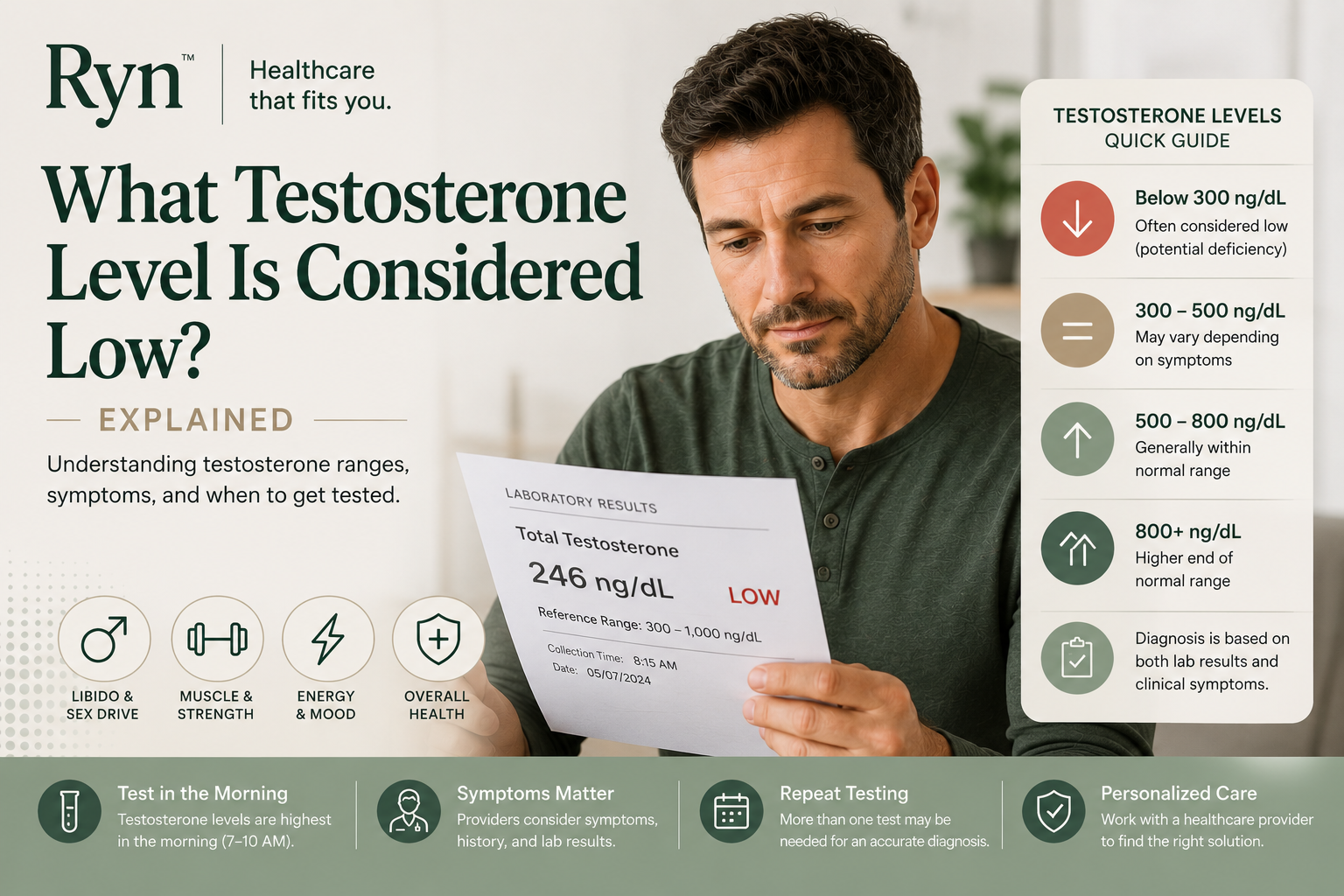
What Testosterone Level Is Considered Low? Explained
Learn what testosterone level is considered low, how providers interpret test results, common symptoms, and when to get tested.

Can Vitamins Boost Testosterone? Top Nutrients for Men
Learn which vitamins may support healthy testosterone levels, how deficiencies affect hormone health, and what science reveals.
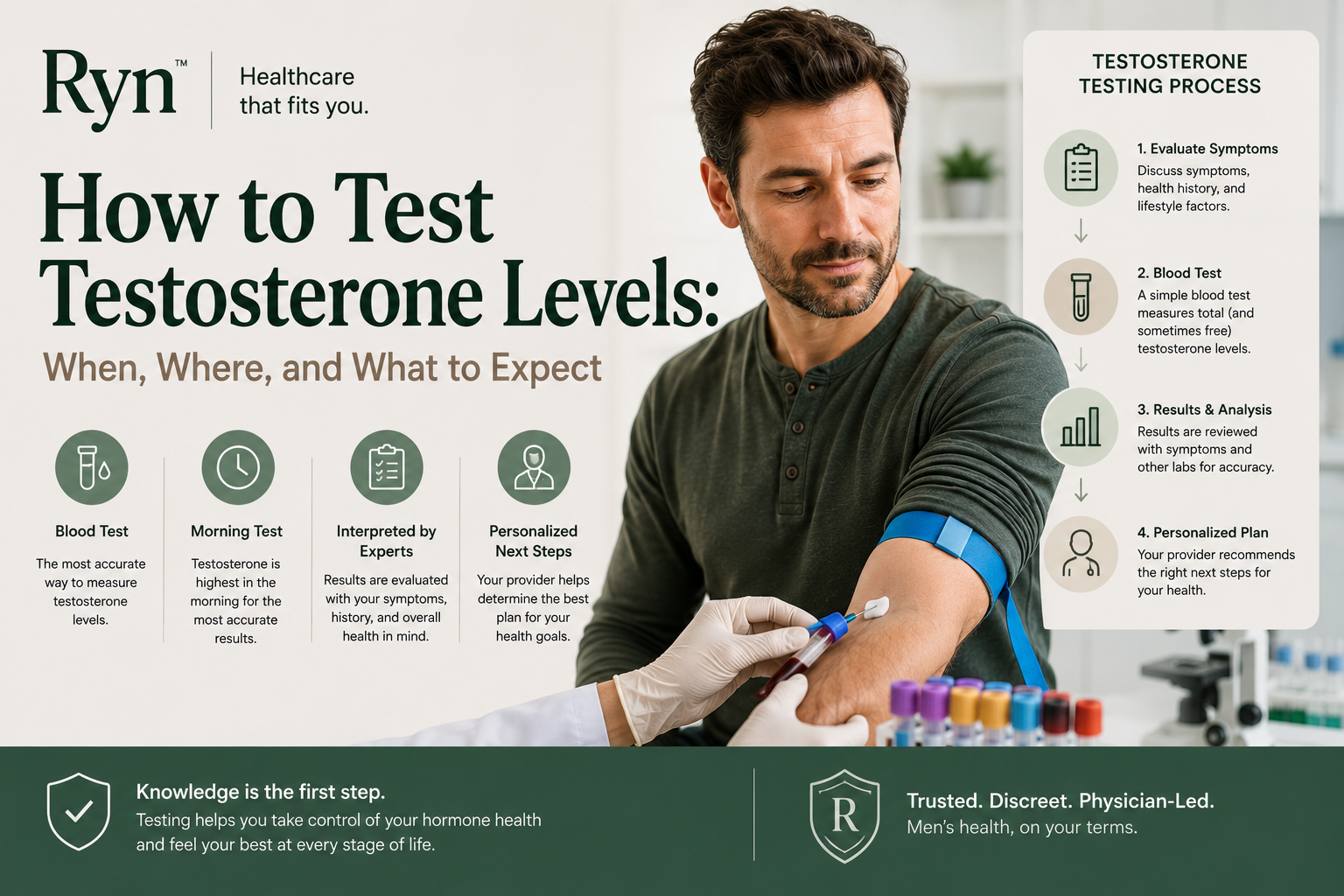
How to Test Testosterone Levels: When, Where & What to Expect
Learn how to test testosterone levels, when testing should be done, what the results mean, and when to speak with a healthcare provider.