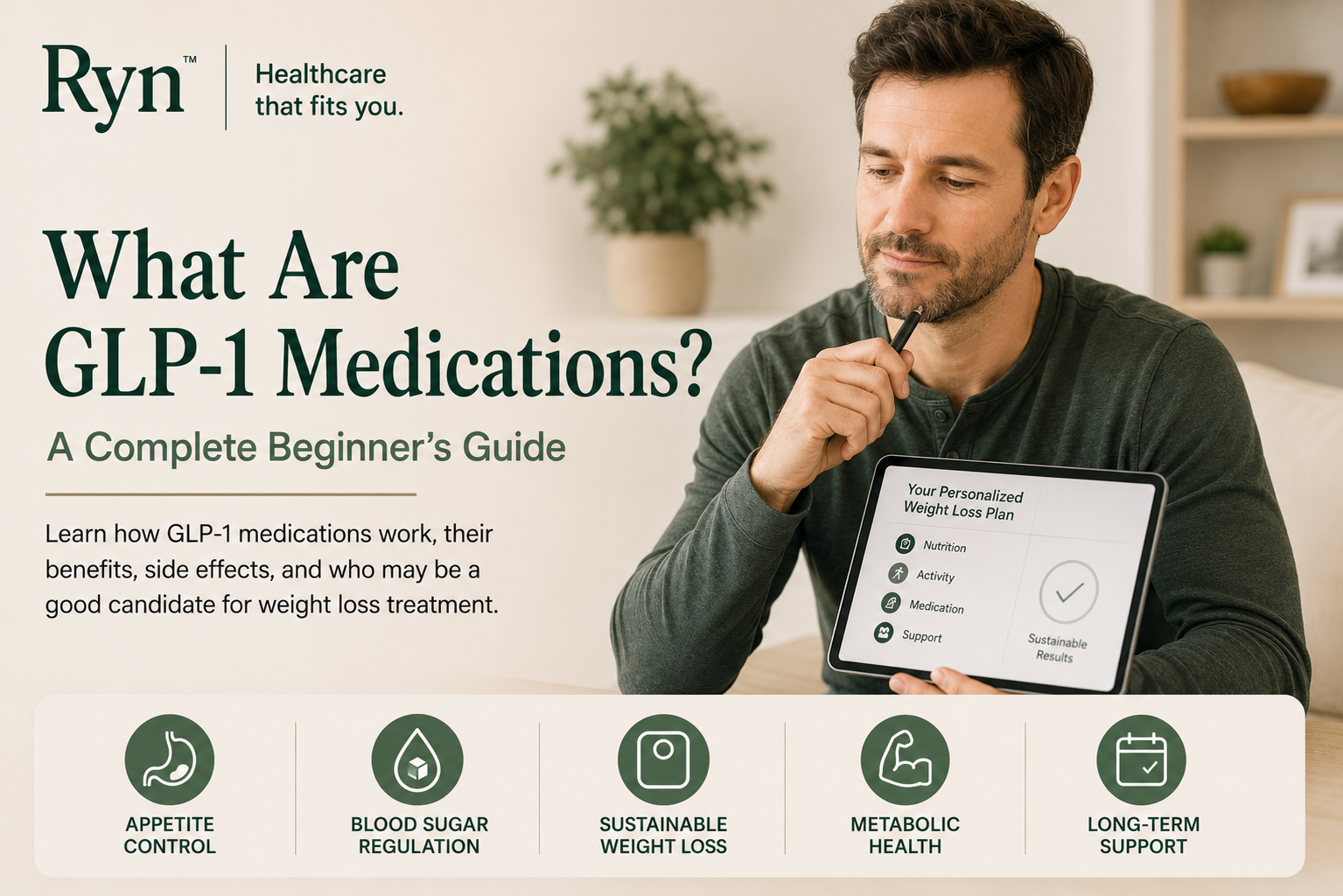
What Are GLP-1 Medications? A Complete Beginner's Guide
Learn what GLP-1 medications are, how they work, potential benefits, side effects, and who may be a candidate for weight loss treatment.
What Are GLP-1 Medications? A Complete Beginner's Guide
GLP-1 medications have rapidly become one of the most talked-about advancements in weight management and metabolic health. If you've recently heard names like semaglutide, tirzepatide, Ozempic®, Wegovy®, or Zepbound®, you may be wondering what these medications actually do and why they're generating so much attention.
For many people struggling with weight management, traditional approaches such as dieting and exercise alone may not always produce the desired results. Weight regulation is influenced by complex biological systems involving hormones, appetite signals, metabolism, and energy balance. GLP-1 medications were developed to help address some of these underlying biological factors.
Originally created to help manage type 2 diabetes, certain GLP-1 medications were later found to support significant weight loss in many patients. As a result, healthcare providers increasingly prescribe these medications as part of comprehensive weight-management programs.
While GLP-1 medications can be highly effective for appropriate candidates, they are not magic solutions. Understanding how they work, their potential benefits, possible side effects, and who may be eligible can help you make informed decisions about your health.
In this guide, we'll explain everything beginners need to know about GLP-1 medications and how they may fit into a long-term weight management strategy.
Quick Answer
GLP-1 medications are prescription drugs that mimic a natural hormone called glucagon-like peptide-1 (GLP-1). They help regulate appetite, slow stomach emptying, improve feelings of fullness, and support blood sugar control. Some GLP-1 medications are approved for weight management and may help eligible patients achieve significant weight loss when combined with lifestyle changes.
| Topic | Key Information |
|---|---|
| What is GLP-1? | A hormone involved in appetite and blood sugar regulation |
| What do GLP-1 medications do? | Help reduce hunger and improve fullness |
| Common Medications | Semaglutide, Tirzepatide |
| Weight Loss Benefits | May support significant weight reduction |
| Best Results | Combined with healthy lifestyle habits |
What Does GLP-1 Stand For?
GLP-1 stands for:
Glucagon-Like Peptide-1
GLP-1 is a naturally occurring hormone produced in the intestines after eating.
The hormone helps communicate important information between the digestive system and the brain.
GLP-1 helps regulate:
- Appetite
- Hunger signals
- Blood sugar levels
- Insulin release
- Feelings of fullness
In simple terms, GLP-1 helps your body recognize when you've eaten enough.
How Do GLP-1 Medications Work?
GLP-1 medications mimic the action of the body's natural GLP-1 hormone.
They work through several mechanisms simultaneously.
1. Reduce Appetite
Many people taking GLP-1 medications report feeling less hungry throughout the day.
This reduction in appetite may help lower overall calorie intake without constant feelings of deprivation.
2. Increase Fullness
GLP-1 medications may help people feel satisfied after smaller meals.
This can make portion control easier and reduce frequent snacking.
3. Slow Stomach Emptying
Food remains in the stomach longer, which may contribute to prolonged feelings of fullness after eating.
4. Support Blood Sugar Regulation
GLP-1 medications were originally developed to support blood sugar control in people with type 2 diabetes.
They help the body release insulin more effectively when needed.
Why Are GLP-1 Medications So Popular?
The popularity of GLP-1 medications stems largely from their ability to support meaningful weight loss in many patients.
Traditional weight-loss strategies often rely heavily on willpower alone.
GLP-1 medications help address some of the biological drivers of hunger and food cravings.
Many patients report:
- Reduced hunger
- Fewer food cravings
- Better portion control
- Improved consistency with healthy eating habits
For individuals who have struggled with long-term weight management, these effects can be particularly significant.
Common GLP-1 Medications
Several GLP-1 medications are currently available.
Semaglutide
Semaglutide is one of the most recognized GLP-1 medications.
It is available under different brand names depending on its approved use.
Semaglutide has been studied extensively for both blood sugar management and weight loss.
Tirzepatide
Tirzepatide works somewhat differently because it targets multiple hormone pathways.
It has shown impressive weight-loss results in clinical studies and has become increasingly popular for weight management.
Other GLP-1 Medications
Other medications in this category may include:
- Liraglutide
- Dulaglutide
- Exenatide
Availability and approved uses vary.
Who May Be a Candidate for GLP-1 Medications?
Eligibility depends on multiple factors.
Healthcare providers often consider:
- Current weight
- Body Mass Index (BMI)
- Weight-related health conditions
- Medical history
- Previous weight-loss attempts
Individuals with obesity or weight-related health concerns may be candidates for evaluation.
The decision should always be made in consultation with a licensed healthcare provider.
How Much Weight Can People Lose?
Weight-loss results vary significantly between individuals.
Factors that influence results include:
- Medication type
- Dosage
- Diet
- Physical activity
- Sleep habits
- Consistency with treatment
Many patients experience meaningful weight loss when medications are combined with healthy lifestyle changes.
It's important to focus on sustainable health improvements rather than comparing results to others.
Benefits Beyond Weight Loss
Weight reduction is often the primary goal, but GLP-1 medications may offer additional health benefits.
Potential benefits may include:
- Improved blood sugar control
- Better metabolic health
- Reduced food cravings
- Improved energy levels
- Better adherence to healthy eating habits
Individual outcomes vary and should be discussed with a healthcare provider.
Common Side Effects
Like all medications, GLP-1 therapies can cause side effects.
Commonly reported side effects may include:
- Nausea
- Vomiting
- Diarrhea
- Constipation
- Stomach discomfort
- Reduced appetite
Many side effects improve over time as the body adjusts to treatment.
Healthcare providers often use gradual dose increases to improve tolerability.
Are GLP-1 Medications Safe?
GLP-1 medications have undergone extensive clinical research and regulatory review.
However, they are not appropriate for everyone.
Healthcare providers evaluate:
- Medical history
- Current medications
- Existing health conditions
- Individual treatment goals
This helps determine whether treatment may be suitable and safe for a particular patient.
Lifestyle Still Matters
One common misconception is that GLP-1 medications eliminate the need for healthy habits.
In reality, the best results typically occur when medication is combined with:
- Balanced nutrition
- Regular physical activity
- Quality sleep
- Stress management
- Long-term behavior changes
Medication is often most effective when used as part of a comprehensive health strategy.
Why More Patients Are Exploring Telehealth Weight Management
Telehealth has made it easier than ever to discuss weight-management options with licensed healthcare providers.
Benefits may include:
- Convenient online consultations
- Privacy and discretion
- Ongoing support
- Personalized treatment plans
- Access from home
Many patients appreciate the flexibility and convenience of virtual care.
Lead Magnet Opportunity
Free GLP-1 Eligibility Checker
Could GLP-1 Treatment Be Right for You?
Take our free GLP-1 Eligibility Assessment and learn whether you may be a candidate for physician-guided weight-loss treatment.
- Quick self-assessment
- Understand eligibility factors
- Learn treatment basics
- Receive personalized educational insights
Related Reading
- How Does Semaglutide Work for Weight Loss?
- How Much Weight Can You Lose on Semaglutide?
- Semaglutide Side Effects: What You Should Know
- Tirzepatide vs Semaglutide
- What Is Tirzepatide?
- How Long Does It Take Semaglutide to Work?
- GLP-1 Before and After: What Results Can You Expect?
- Who Is a Good Candidate for GLP-1 Weight Loss Treatment?
Why Patients Choose Ryn
Ryn provides physician-guided care designed to help patients explore evidence-based treatment options that fit their health goals and lifestyle.
- Physician-guided treatment plans
- Convenient online consultations
- Personalized care
- Ongoing support
- Privacy and discretion
Frequently Asked Questions
What does GLP-1 stand for?
GLP-1 stands for Glucagon-Like Peptide-1, a naturally occurring hormone involved in appetite regulation and blood sugar control.
Do GLP-1 medications help with weight loss?
Some GLP-1 medications are approved for weight management and may help eligible patients lose weight when combined with lifestyle changes.
What are the most common GLP-1 medications?
Common GLP-1 medications include semaglutide, tirzepatide, liraglutide, dulaglutide, and exenatide.
Are GLP-1 medications safe?
These medications have undergone extensive research and regulatory review, but they are not appropriate for everyone. A healthcare provider can help determine whether treatment may be suitable.
Do I still need diet and exercise while taking a GLP-1 medication?
Yes. The best results are typically achieved when medication is combined with healthy eating habits, regular physical activity, quality sleep, and long-term lifestyle changes.
Conclusion
GLP-1 medications have changed the conversation around weight management by helping address some of the biological factors that influence hunger, fullness, and eating behavior. For eligible patients, these medications may support meaningful weight loss when combined with healthy lifestyle habits and ongoing medical guidance.
Understanding how GLP-1 medications work, their potential benefits, and their limitations can help you make informed decisions about your health. If you're exploring weight-loss options, speaking with a qualified healthcare provider can help determine whether a GLP-1 medication may be appropriate for your individual needs.
TryRyn — GLP-1, Hair Loss & Sexual Wellness Personalized telehealth for GLP-1 weight loss, hair restoration, and sexual wellness. Get prescribed online and delivered to your door.
Keep reading
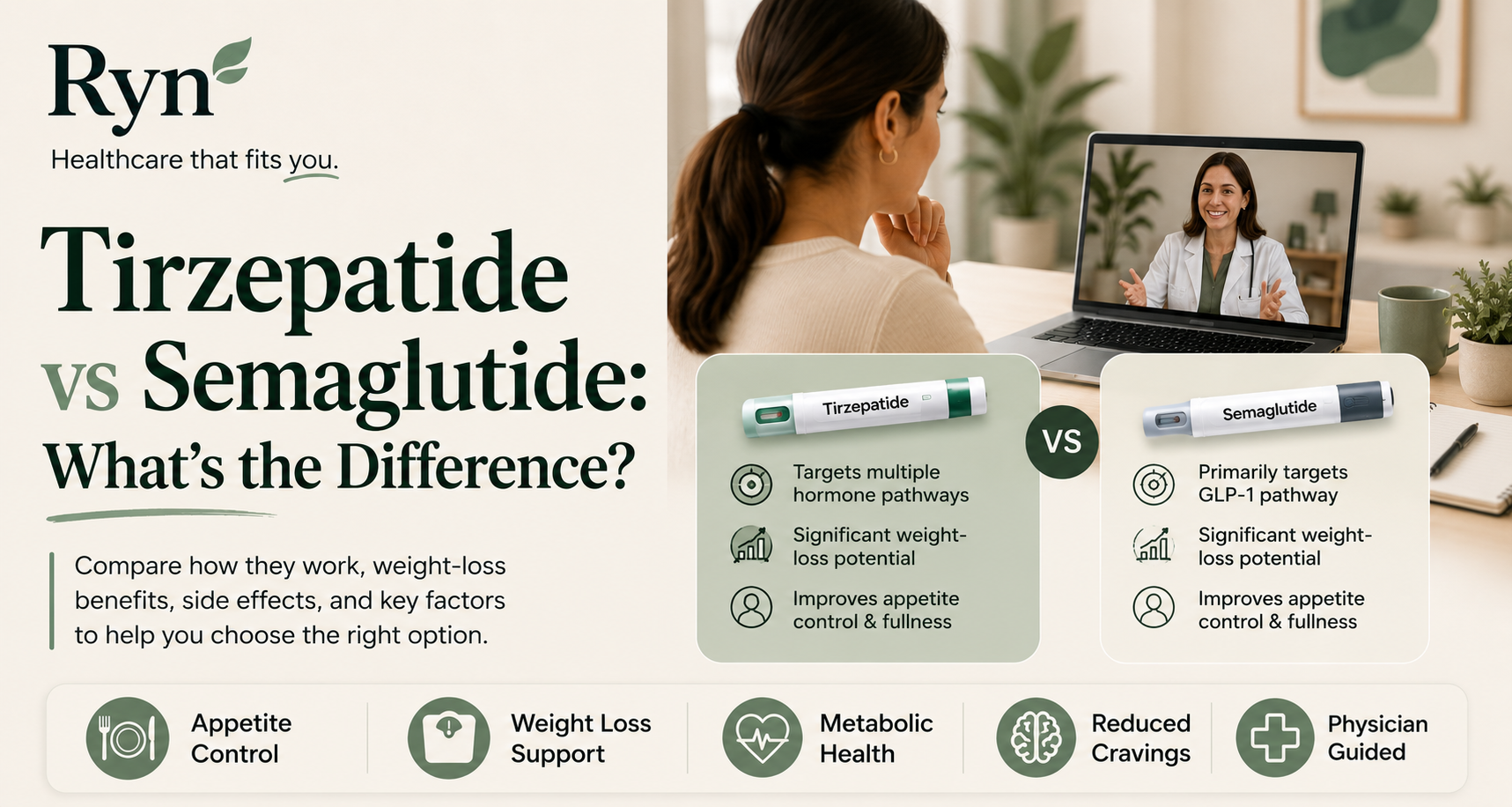
Tirzepatide vs Semaglutide: What's the Difference?
Compare Tirzepatide vs Semaglutide, including how they work, weight-loss benefits, side effects, and key differences to consider.
What Is Tirzepatide? A Complete Beginner's Guide
Learn what Tirzepatide is, how it works for weight loss, potential benefits, side effects, and who may be a candidate for treatment.

Hair Loss Treatment Options: What Works for Hair Thinning and Hair Loss
Explore hair loss treatment options and learn what may help with hair thinning. Discover how hormones, stress, nutrition, and wellness factors can affect hair health.