Can Weight Loss Improve Erectile Dysfunction? Understanding the Connection
Learn how weight loss and erectile dysfunction may be connected. Discover how metabolic health, circulation, lifestyle habits, and overall wellness can influence sexual health.
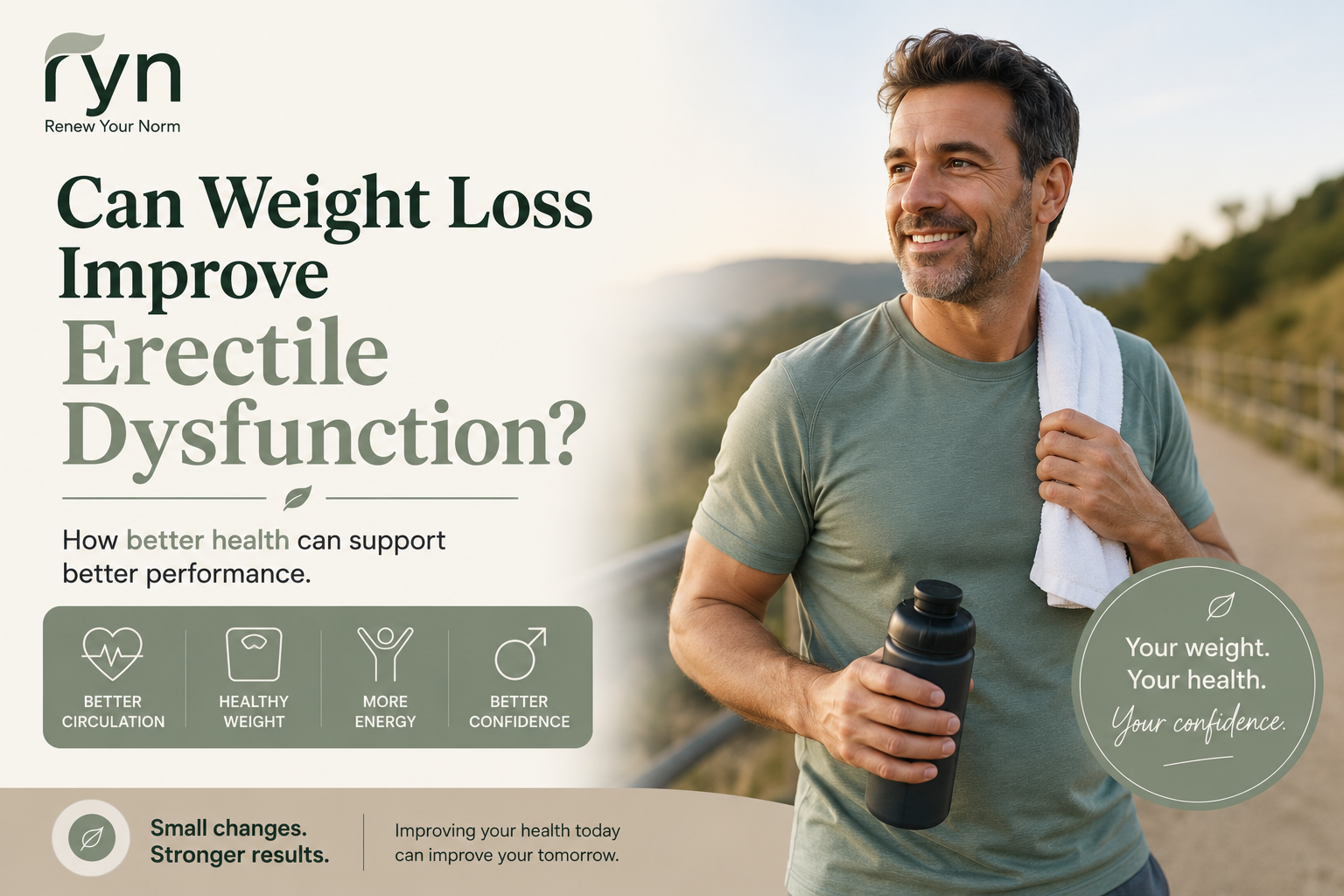
Can Weight Loss Improve Erectile Dysfunction? Understanding the Connection
Erectile dysfunction (ED) is often viewed as a condition that affects only sexual health, but healthcare providers increasingly recognize that erectile function is closely connected to broader physical wellness.
Circulation, cardiovascular health, hormone balance, metabolic function, sleep quality, stress, and lifestyle habits can all influence sexual performance over time.
Because of this connection, many people ask an important question: can weight loss improve erectile dysfunction?
For some individuals, achieving and maintaining a healthier body weight may support factors that contribute to erectile function. While weight loss is not a guaranteed solution for every case of ED, improving overall health may positively influence long-term sexual wellness.
Understanding the relationship between weight loss, erectile dysfunction outcomes, and metabolic health can help patients make informed decisions about treatment and lifestyle changes.
You may also find these Ryn guides helpful: Testosterone and Libido, Causes of Erectile Dysfunction, and Online ED Treatment.
Quick Answer
Weight loss may improve erectile dysfunction in some men by supporting better blood flow, hormone balance, cardiovascular health, and metabolic function. However, ED has many possible causes, so weight loss alone is not a cure. A healthcare provider can help identify the underlying cause and recommend the right treatment.
| Question | Simple Answer |
|---|---|
| Can weight loss improve ED? | For some men, yes. Weight loss may support better blood flow, hormones, and metabolic health. |
| Is weight loss a guaranteed ED cure? | No. ED can have several physical and psychological causes. |
| Can ED medication still help? | Yes. Some men may benefit from ED medication while also improving lifestyle habits. |
Take the First Step Toward Better Sexual Health
Get personalized treatment options for ED with a licensed provider online.
Private & Discreet • Physician Guided • 100% Online • Secure & Confidential

Understanding Erectile Dysfunction
Erectile dysfunction refers to persistent difficulty achieving or maintaining an erection firm enough for sexual activity.
Occasional performance changes happen and do not automatically indicate a medical condition. However, symptoms that occur consistently may deserve medical evaluation.
Erectile dysfunction can involve multiple contributing factors, including:
- Circulation concerns
- Cardiovascular health
- Hormone balance
- Stress
- Medication side effects
- Metabolic health conditions
- Lifestyle habits
The National Institute of Diabetes and Digestive and Kidney Diseases explains that erectile dysfunction may sometimes be connected to broader health concerns.
Learn more about erectile dysfunction from NIDDK.
How Body Weight May Influence Erectile Function
Body weight affects more than appearance or energy levels. Long-term health factors associated with weight may influence systems involved in sexual wellness.
| Factor | How It Can Affect Erectile Function |
|---|---|
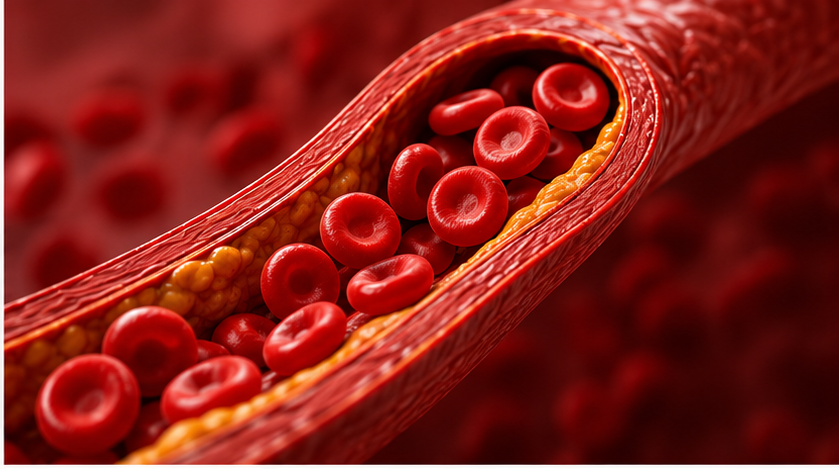
| Blood Flow & Circulation | Extra weight can contribute to poor circulation, which may make it harder to get and maintain an erection. |
| Metabolic Health | Conditions like insulin resistance and high blood sugar can damage blood vessels and nerves over time. |
| Hormone Balance | Higher body fat may be associated with lower testosterone levels in some men. |
| Energy & Stamina | Excess weight may lead to fatigue, poor sleep, and lower overall energy levels. |
| Confidence & Mental Health | Weight-related stress or poor self-image may affect arousal and sexual confidence. |
Can Weight Loss Improve Erectile Dysfunction?
Research continues exploring how lifestyle improvements influence sexual health outcomes.
For some individuals, improving overall health through sustainable lifestyle habits may positively support factors associated with erectile function.
Weight management efforts may contribute to improvements involving:
- Cardiovascular wellness
- Energy levels
- Metabolic health
- Sleep quality
- Physical activity consistency
- Overall confidence
However, erectile dysfunction does not always involve body weight alone. Many individuals experiencing ED may have additional contributing factors that deserve professional evaluation.
Weight loss can be challenging. Semaglutide may help.
Physician-guided semaglutide treatment may support eligible patients with weight loss and better metabolic health.

When Weight Loss Alone May Not Resolve ED
While lifestyle changes may help support overall health, erectile dysfunction sometimes involves factors requiring medical evaluation.
Healthcare providers may assess:
- Circulation concerns
- Hormone changes
- Medication interactions
- Cardiovascular factors
- Stress-related concerns
- Metabolic health conditions
Professional guidance helps identify contributing factors more effectively.
Patients exploring treatment pathways may also benefit from How to Get ED Medication Online and Sildenafil vs Tadalafil.
Effective ED Treatment May Be Available
Ryn’s licensed providers can help eligible patients explore ED medication and treatment options privately online.

Lifestyle Habits That Support Sexual Health
Physical Activity
Movement supports circulation, cardiovascular wellness, metabolic health, and energy levels.
Sleep Quality
Sleep influences hormone balance, recovery, mood, and broader wellness. Patients interested in sleep optimization may also benefit from Sleep and Weight Loss.
Nutrition Habits
Nutrition patterns influence long-term health outcomes. Whole foods, hydration habits, and consistent nutrition patterns often support broader wellness goals.
Stress Management
Stress affects both emotional and physical wellness. Mental health remains an important component of sexual health outcomes.

ED Medication vs Weight Loss: Which Should Come First?
This depends on the person. Some men want to start with lifestyle changes. Others need treatment support while they work on long-term health. Many men may benefit from both.
| Approach | Best For | Important Note |
|---|---|---|
| Weight loss and lifestyle changes | Men with excess weight, low activity, poor sleep, or metabolic risk factors. | May support long-term improvement but can take time. |
| Sildenafil treatment | Men who need evidence-based ED treatment after provider evaluation. | Not safe for everyone, especially certain heart medication users. |
| Combined care | Men who want symptom support and long-term health improvement. | A provider can help decide the safest plan. |
Free ED and Metabolic Health Checklist
Want to understand what may be contributing to ED?
Download Ryn’s free ED and Metabolic Health Checklist.
- Common physical causes of ED
- How weight, blood flow, and hormones may be connected
- Questions to ask a healthcare provider
- When online ED treatment may be appropriate
- Lifestyle habits that support sexual health
Brevo Email Capture CTA: Enter your email to get the free checklist and receive a short educational series on ED, metabolic health, and treatment options.
Related Reading
Erectile Dysfunction
- Causes of Erectile Dysfunction
- Why Can’t I Maintain an Erection?
- Online ED Treatment
- Sildenafil vs Tadalafil
Testosterone and Men’s Health
Weight Loss and GLP-1
- Semaglutide for Weight Loss
- What Are GLP-1 Medications?
- How to Qualify for GLP-1 Weight Loss Medication
FAQ
Can losing weight improve erectile dysfunction?
Yes, weight loss may improve ED in some men, especially when ED is connected to obesity, poor circulation, insulin resistance, or cardiovascular risk factors. But ED can have many causes, so weight loss is not a guaranteed cure.
Can belly fat cause erectile dysfunction?
Belly fat may be linked with metabolic issues such as insulin resistance, inflammation, and lower testosterone in some men. These factors may contribute to ED risk.
How long does it take for weight loss to improve ED?
It varies. Some men may notice changes after improving fitness, sleep, and weight. Others may need medical treatment or a longer-term health plan.
Can semaglutide treat erectile dysfunction?
Semaglutide is not an ED medication. It may support weight loss in eligible patients, and weight loss may indirectly support sexual health for some men.
Is sildenafil helpful if I am also trying to lose weight?
For some men, yes. Sildenafil may help improve erectile response while lifestyle and weight management changes support long-term health. A provider should determine if it is safe.
When should I talk to a doctor about ED?
You should speak with a healthcare provider if ED happens often, starts suddenly, causes distress, or occurs with symptoms like chest pain, fatigue, low libido, or signs of diabetes or heart disease.
You Don’t Have to Deal With ED Alone
Speaking with a provider is private, simple, and an important first step toward understanding your options.
Conclusion
The connection between weight loss and erectile dysfunction continues receiving growing medical attention.
For some individuals, sustainable lifestyle improvements that support metabolic health, cardiovascular wellness, and long-term health habits may positively influence sexual wellness.
However, erectile dysfunction is often multifactorial. Professional medical evaluation remains one of the most important steps toward identifying contributing factors and building an effective long-term treatment strategy.
Weight management may support broader health goals, but personalized care remains essential for long-term sexual wellness.
Explore Semaglutide for Weight Loss
Authority Links
TryRyn — GLP-1, Hair Loss & Sexual Wellness Personalized telehealth for GLP-1 weight loss, hair restoration, and sexual wellness. Get prescribed online and delivered to your door.
Keep reading

Erectile dysfunction and early warning sign cardiovascular health microvasculature

Online ED Treatment vs In-Person Clinics: Privacy and Delivery Realities