Does Shilajit Increase Testosterone? What Research Says
Discover what research says about shilajit and testosterone, including potential benefits, safety concerns, risks, and hormone health effects.
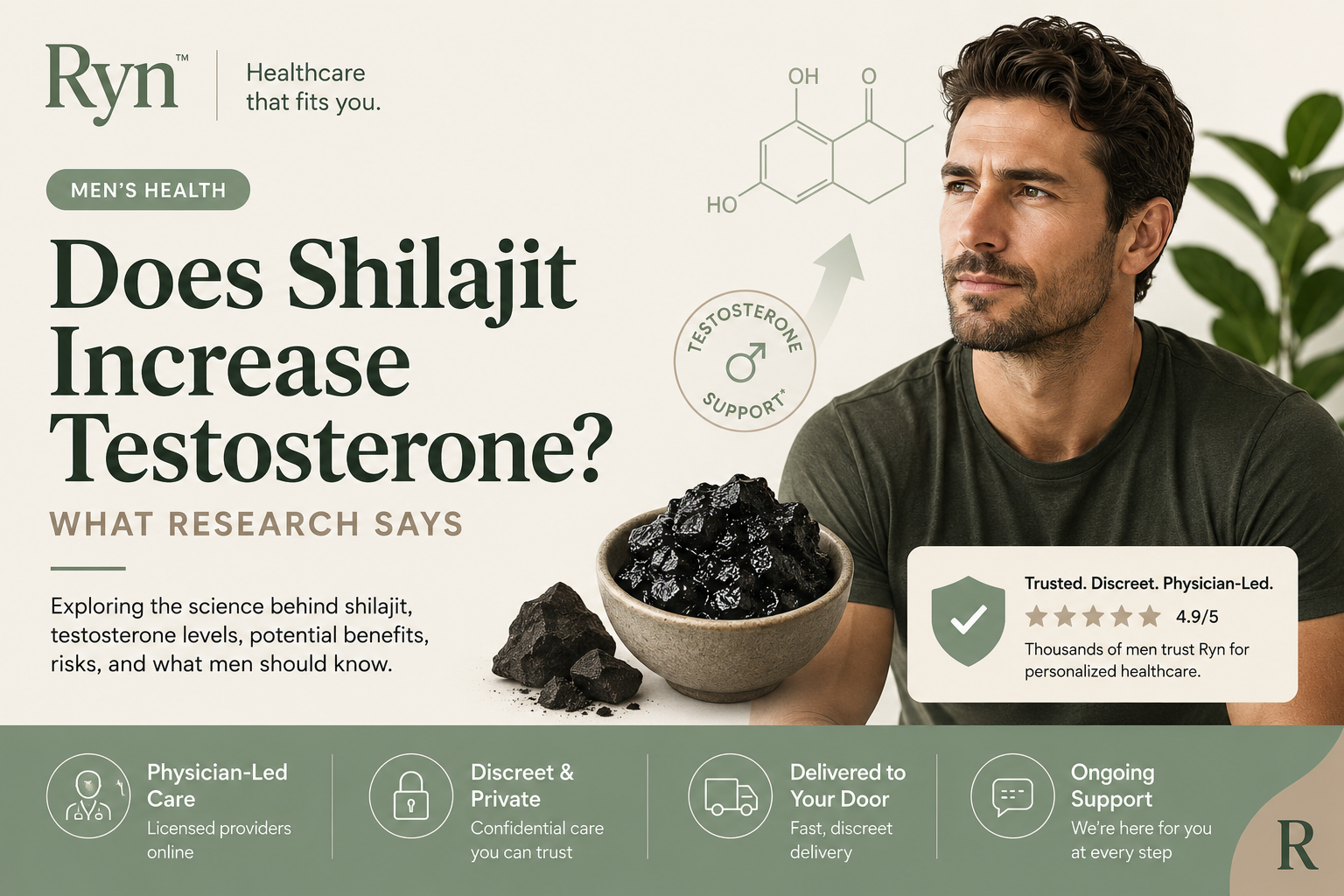
Does Shilajit Increase Testosterone? What Research Says
Shilajit has become one of the most talked-about supplements in men's health circles. Promoted by wellness influencers, fitness enthusiasts, and supplement companies, shilajit is often marketed as a natural way to boost testosterone, increase energy, improve stamina, and support overall vitality.
For men experiencing symptoms such as low libido, fatigue, reduced motivation, or concerns about testosterone levels, claims surrounding shilajit can be especially appealing. It's easy to understand why many people are searching for answers about whether this ancient substance can actually influence hormone levels.
But does shilajit increase testosterone, or is the hype getting ahead of the science?
The answer lies somewhere between traditional use and modern research. While a handful of studies have suggested that purified shilajit may support testosterone production in certain populations, the available evidence remains limited, and many questions remain unanswered.
Understanding what shilajit is, how it may affect the body, and what current research actually shows can help you make more informed decisions about your health.
In this guide, we'll examine the science behind shilajit and testosterone, potential benefits, risks, and what men should know before considering supplementation.
Quick Answer
Some research suggests that purified shilajit may help increase testosterone levels in certain men, particularly those with lower baseline testosterone levels. However, the evidence remains limited, and shilajit should not be viewed as a proven treatment for low testosterone. More research is needed to fully understand its effectiveness, long-term safety, and role in hormone health.
| Question | Answer |
|---|---|
| Can shilajit increase testosterone? | Possibly, according to limited research. |
| Is it a proven testosterone treatment? | No, it is not considered a proven medical treatment. |
| Is more research needed? | Yes, significantly more research is needed. |
| Should you consult a healthcare provider? | Yes, especially if you have symptoms of low testosterone. |
What Is Shilajit?
Shilajit is a naturally occurring substance found primarily in mountainous regions such as the Himalayas. It forms over centuries as plant materials and organic compounds gradually decompose and become compressed within rock formations.
Traditionally used in Ayurvedic medicine, shilajit contains a complex mixture of minerals, trace elements, and bioactive compounds. One of its most notable components is fulvic acid, which researchers believe may contribute to some of its biological effects.
For generations, shilajit has been used to support energy, stamina, cognitive function, and overall wellbeing. More recently, interest has grown around its potential role in testosterone production and male reproductive health.
However, traditional use and scientific evidence are not always the same thing. While historical use can provide clues about potential benefits, modern clinical research is necessary to determine whether those benefits are real and reproducible.
Why Testosterone Matters
Testosterone is the primary male sex hormone and plays an important role in several aspects of health.
Healthy testosterone levels help support:
- Sexual desire
- Erectile function
- Muscle mass
- Bone density
- Energy levels
- Mood and motivation
- Sperm production
As men age, testosterone levels naturally decline. Certain medical conditions, lifestyle factors, obesity, sleep disorders, and chronic illnesses may also contribute to lower testosterone levels.
When testosterone drops significantly, men may experience symptoms that affect both quality of life and sexual health.
What Research Says About Shilajit and Testosterone
The reason shilajit receives so much attention is that a small number of studies have reported increases in testosterone levels among certain groups of men taking purified shilajit supplements.
Some research has found that men taking specific forms of purified shilajit experienced increases in total testosterone and free testosterone levels compared to placebo groups.
Researchers believe these effects may be related to shilajit's influence on cellular energy production, antioxidant activity, and reproductive function.
However, there are important limitations to consider.
Most studies have involved relatively small sample sizes, specific formulations of purified shilajit, and limited study durations. This makes it difficult to determine whether the results apply broadly to the general population.
In addition, supplement quality varies significantly between manufacturers, making it challenging to compare products or guarantee similar results.
While the findings are promising, current evidence is not strong enough to conclude that shilajit reliably increases testosterone in all men.
Can Shilajit Improve Erectile Dysfunction?
Many men researching testosterone are ultimately concerned about sexual performance.
Because testosterone influences libido and sexual desire, it's reasonable to wonder whether shilajit could improve erectile dysfunction as well.
However, erectile dysfunction is often caused by factors unrelated to testosterone, including:
- Cardiovascular disease
- High blood pressure
- Diabetes
- Stress and anxiety
- Poor circulation
- Certain medications
Even if shilajit supports testosterone levels in some individuals, that does not necessarily mean it will resolve erectile dysfunction.
Signs You May Have Low Testosterone
Before considering supplements, it's important to recognize the symptoms associated with low testosterone.
Common signs may include:
- Reduced libido
- Fatigue
- Reduced motivation
- Difficulty building muscle
- Mood changes
- Increased body fat
- Reduced sexual satisfaction
- Fewer spontaneous erections
Because these symptoms overlap with many other health conditions, blood testing is necessary to confirm whether testosterone levels are actually low.
Self-diagnosing based solely on symptoms can be misleading.
Potential Risks and Safety Considerations
Not all shilajit products are created equally.
One of the biggest concerns surrounding supplements is product quality and purity.
Poorly manufactured products may contain contaminants such as heavy metals or other substances that could pose health risks.
When considering any supplement, it is important to:
- Purchase from reputable manufacturers
- Look for third-party testing
- Discuss supplement use with a healthcare provider
- Avoid products making unrealistic claims
Natural does not automatically mean safe or effective.
Consumers should approach supplement marketing claims with a healthy level of skepticism.
Explore Treatment Options
If you're experiencing symptoms of low testosterone, erectile dysfunction, or reduced sexual performance, physician-guided care can help identify the underlying cause.
Sildenafil (Generic Viagra®)
https://www.tryryn.com/products/sildenafil-generic-viagra
Sildenafil is commonly prescribed to improve blood flow and help eligible patients achieve and maintain erections.
Tadalafil (Generic Cialis®)
https://www.tryryn.com/products/tadalafil-generic-cialis
Tadalafil offers a longer duration of action and may provide greater flexibility for some patients.
A healthcare provider can help determine whether symptoms are related to hormone levels, circulation, lifestyle factors, or another medical condition.
Related Reading
- Can Low Testosterone Cause ED?
- Testosterone and Erectile Dysfunction: What's the Connection?
- Signs of Low Testosterone in Men
- Can Weight Loss Increase Testosterone?
- Testosterone and Libido: Understanding the Connection
- Sildenafil vs Viagra
- Tadalafil vs Cialis
- Can You Take Sildenafil Every Day?
Why More Men Are Choosing Telehealth
Telehealth has made it easier than ever for men to discuss hormone health, erectile dysfunction, and other sensitive concerns with licensed healthcare providers.
Benefits include:
- Greater privacy
- Convenient online consultations
- Access to licensed healthcare providers
- Treatment from home
- Ongoing support
Many patients appreciate the ability to seek care without visiting a clinic in person.
Learn more about telehealth through the U.S. Department of Health and Human Services:
Frequently Asked Questions
Does shilajit increase testosterone?
Some studies suggest purified shilajit may increase testosterone levels in certain men, but more research is needed.
Is shilajit a replacement for testosterone therapy?
No. Shilajit is a dietary supplement and should not be considered a substitute for medically prescribed testosterone treatment.
Can shilajit help erectile dysfunction?
There is currently insufficient evidence to conclude that shilajit directly treats erectile dysfunction.
Is shilajit safe?
Product quality varies significantly. Choosing reputable manufacturers and discussing supplement use with a healthcare provider is important.
Should I test my testosterone levels?
If you have symptoms of low testosterone, a healthcare provider can determine whether testing may be appropriate.
Why Patients Choose Ryn
Ryn provides physician-guided care designed to help men address erectile dysfunction and related sexual health concerns with privacy, convenience, and evidence-based treatment options.
- Physician-guided treatment plans
- Convenient online consultations
- Discreet care and delivery
- Trusted treatment options
- Ongoing support
Explore available treatments:
Sildenafil (Generic Viagra®)
https://www.tryryn.com/products/sildenafil-generic-viagra
Tadalafil (Generic Cialis®)
https://www.tryryn.com/products/tadalafil-generic-cialis
Conclusion
Shilajit is an intriguing supplement with a long history of traditional use and some early research suggesting potential benefits for testosterone levels. However, the current evidence remains limited, and more high-quality studies are needed before firm conclusions can be made.
If you're experiencing symptoms of low testosterone, reduced libido, or erectile dysfunction, the best first step is a conversation with a qualified healthcare provider. Understanding the root cause of your symptoms can help ensure you receive safe, effective, and evidence-based care.
TryRyn — GLP-1, Hair Loss & Sexual Wellness Personalized telehealth for GLP-1 weight loss, hair restoration, and sexual wellness. Get prescribed online and delivered to your door.
Keep reading
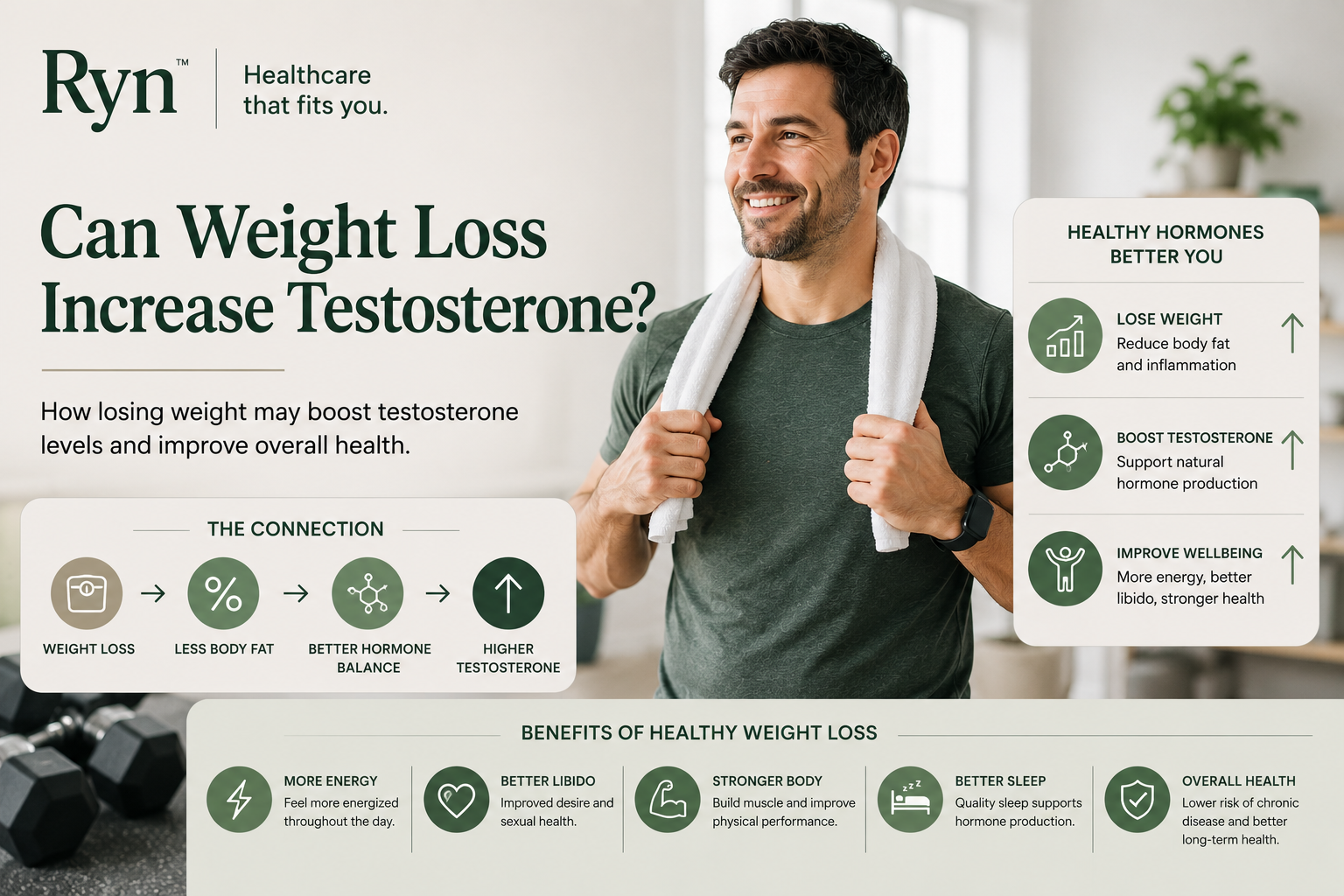
Can Weight Loss Increase Testosterone? What Research Shows
Learn how weight loss may affect testosterone levels, libido, body fat, and overall hormone health in men.
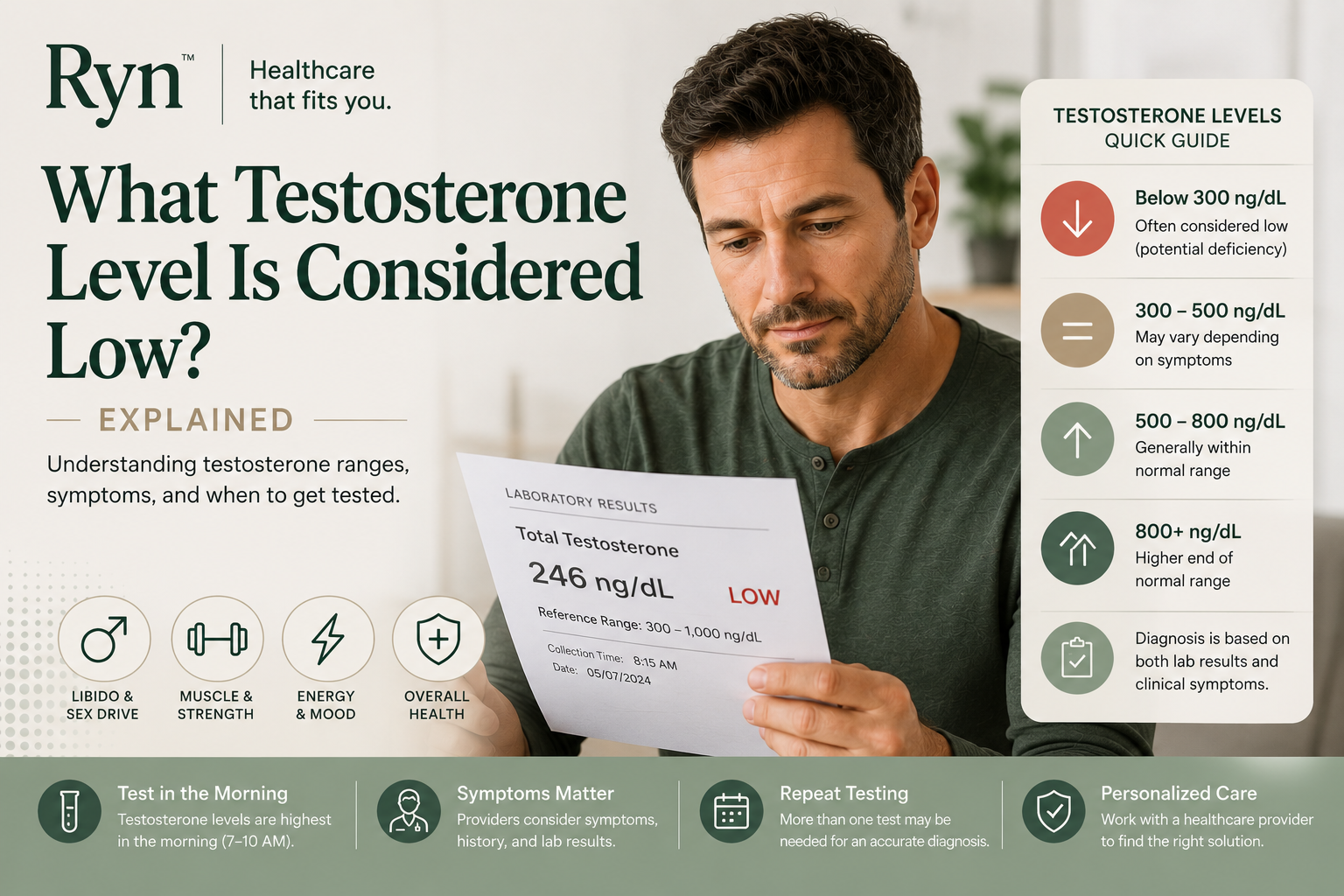
What Testosterone Level Is Considered Low? Explained
Learn what testosterone level is considered low, how providers interpret test results, common symptoms, and when to get tested.
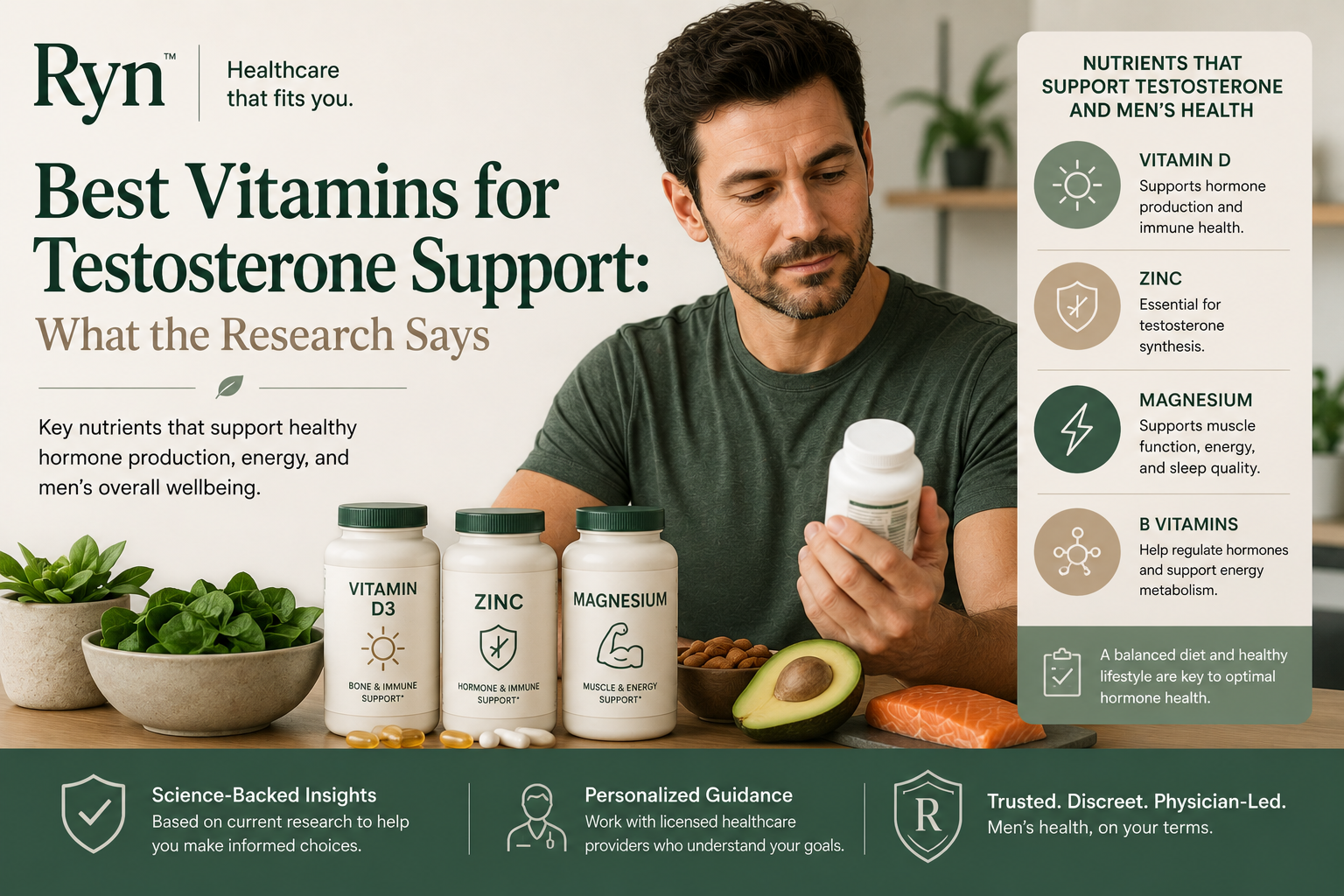
Can Vitamins Boost Testosterone? Top Nutrients for Men
Learn which vitamins may support healthy testosterone levels, how deficiencies affect hormone health, and what science reveals.