Signs of Low Testosterone in Men: Symptoms to Know
Learn the common signs of low testosterone in men, including fatigue, low libido, mood changes, muscle loss, and erectile dysfunction.
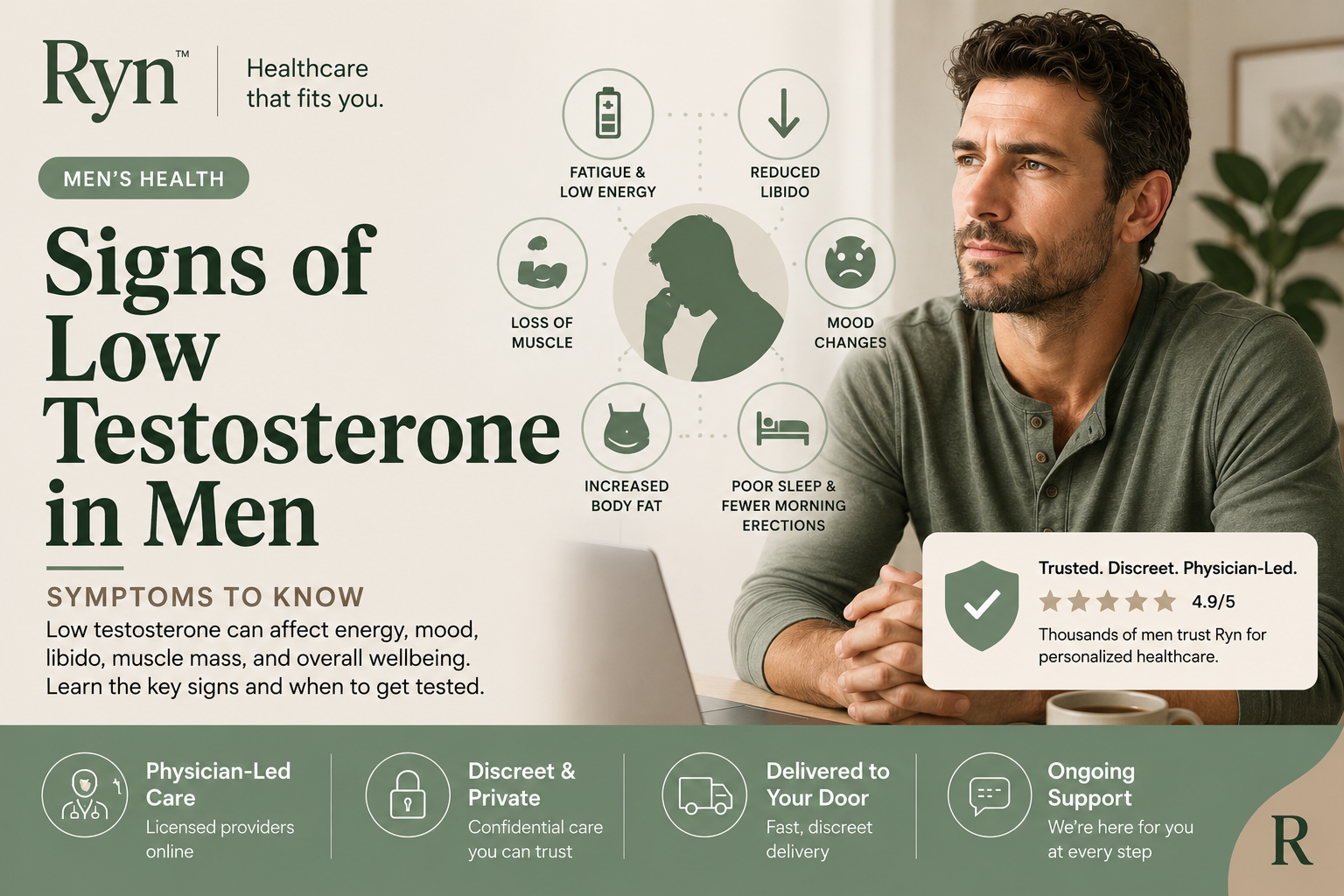
Signs of Low Testosterone in Men
Testosterone plays a central role in men's health. While it is best known for influencing sexual function and libido, testosterone also affects energy levels, mood, muscle mass, bone strength, cognitive function, and overall wellbeing.
As men age, testosterone levels naturally decline. However, some men experience a more significant drop that leads to noticeable symptoms and can negatively affect their quality of life. Because these symptoms often develop gradually, many men fail to recognize that hormone levels may be contributing to how they feel.
Low testosterone, sometimes referred to as testosterone deficiency or hypogonadism, can affect men of various ages. While aging is one possible factor, obesity, chronic medical conditions, sleep disorders, medications, and lifestyle factors may also influence testosterone production.
The challenge is that many symptoms of low testosterone overlap with other health conditions. Fatigue, reduced motivation, weight gain, and changes in sexual function can be caused by numerous factors, making proper evaluation important.
Understanding the common signs of low testosterone in men can help you determine when it may be time to speak with a healthcare provider and explore testing options.
In this guide, we'll examine the most common symptoms of low testosterone, potential causes, how diagnosis works, and what treatment options may be available.
Quick Answer
Common signs of low testosterone in men include reduced libido, fatigue, decreased energy, difficulty building muscle, increased body fat, mood changes, reduced motivation, and fewer spontaneous erections. Because these symptoms can have multiple causes, blood testing is required to determine whether testosterone levels are actually low.
| Common Symptom | Potential Connection to Low Testosterone |
|---|---|
| Reduced libido | Very common |
| Fatigue | Common |
| Mood changes | Common |
| Muscle loss | Possible |
| Fewer morning erections | Common |
What Is Testosterone?
Testosterone is the primary male sex hormone and is produced primarily in the testicles. It plays an important role throughout a man's life, beginning during fetal development and continuing through adulthood.
The hormone contributes to:
- Sexual desire
- Erectile function
- Sperm production
- Muscle growth
- Bone density
- Energy levels
- Mood regulation
- Cognitive performance
While testosterone naturally declines with age, significant reductions may contribute to symptoms that affect daily life and overall health.
Reduced Libido or Sex Drive
One of the most recognized signs of low testosterone is a decrease in sexual desire.
Men with low testosterone often report:
- Reduced interest in sex
- Fewer sexual thoughts
- Lower sexual motivation
- Reduced sexual satisfaction
Although stress, relationship concerns, and other health conditions can also affect libido, testosterone plays an important role in maintaining healthy sexual desire.
A noticeable decline in interest in sex may warrant a discussion with a healthcare provider.
Fatigue and Low Energy
Feeling tired occasionally is normal. However, persistent fatigue that doesn't improve with rest may be associated with low testosterone.
Many men describe this symptom as:
- Constant tiredness
- Reduced stamina
- Difficulty staying motivated
- Lower productivity
Low energy levels can affect work performance, exercise habits, and overall quality of life.
Because fatigue has many possible causes, proper evaluation is important before assuming testosterone is responsible.
Reduced Muscle Mass and Strength
Testosterone helps support muscle growth and maintenance.
Men experiencing testosterone deficiency may notice:
- Difficulty building muscle
- Reduced strength
- Slower recovery after exercise
- Gradual muscle loss
These changes often occur gradually and may be mistaken for normal aging.
Maintaining muscle mass becomes increasingly important as men age because it contributes to mobility, metabolism, and overall health.
Increased Body Fat
Changes in body composition can also occur when testosterone levels decline.
Some men experience:
- Increased abdominal fat
- Difficulty losing weight
- Reduced lean muscle mass
- Changes in body shape
Excess body fat can also contribute to lower testosterone levels, creating a cycle that becomes increasingly difficult to break without lifestyle changes and medical guidance.
Mood Changes and Irritability
Hormones influence more than physical health.
Men with low testosterone sometimes report:
- Irritability
- Reduced motivation
- Mild depression
- Difficulty concentrating
- Lower confidence
These symptoms can be subtle and are often overlooked because they may develop gradually over time.
Mental health symptoms should always be discussed with a healthcare provider, as multiple factors can contribute to emotional wellbeing.
Fewer Morning Erections
Many healthy men experience spontaneous erections during sleep or upon waking.
A decrease in morning erections may sometimes be associated with lower testosterone levels.
However, it's important to note that morning erections are influenced by multiple factors, including:
- Sleep quality
- Blood flow
- Hormone levels
- Overall health
A reduction in frequency does not automatically indicate low testosterone, but it may be one piece of the overall picture.
Can Low Testosterone Cause Erectile Dysfunction?
Low testosterone and erectile dysfunction are often discussed together, but they are not the same condition.
Testosterone primarily affects libido and sexual desire, while erections depend heavily on healthy blood flow and vascular function.
Some men with low testosterone experience erectile dysfunction, while others maintain normal erectile function.
Likewise, many men with erectile dysfunction have normal testosterone levels.
Understanding the underlying cause of symptoms is critical when selecting the most appropriate treatment approach.
Explore Treatment Options
If you're experiencing erectile dysfunction or sexual performance concerns, physician-guided treatment may help address underlying factors affecting sexual health.
Sildenafil (Generic Viagra®)
https://www.tryryn.com/products/sildenafil-generic-viagra
Sildenafil helps improve blood flow and is one of the most commonly prescribed treatments for erectile dysfunction.
Tadalafil (Generic Cialis®)
https://www.tryryn.com/products/tadalafil-generic-cialis
Tadalafil offers a longer duration of action and may provide greater flexibility for some patients.
A healthcare provider can help determine whether symptoms are related to testosterone levels, circulation, lifestyle factors, or another health condition.
Related Reading
- Can Low Testosterone Cause ED?
- Testosterone and Erectile Dysfunction: What's the Connection?
- Does Shilajit Increase Testosterone?
- Testosterone and Libido: Understanding the Connection
- How to Test Testosterone Levels
- Can Weight Loss Increase Testosterone?
- Sildenafil vs Viagra
- Tadalafil vs Cialis
Why More Men Are Choosing Telehealth
Telehealth has made it easier than ever for men to discuss hormone health and sexual wellness concerns with licensed healthcare providers.
Benefits include:
- Greater privacy
- Convenient online consultations
- Access to licensed providers
- Treatment from home
- Ongoing support
Learn more about telehealth services through the U.S. Department of Health and Human Services:
Frequently Asked Questions
What are the most common signs of low testosterone?
Reduced libido, fatigue, low energy, mood changes, muscle loss, and fewer morning erections are among the most commonly reported symptoms.
Can low testosterone cause erectile dysfunction?
It can contribute to erectile dysfunction in some men, particularly when it affects sexual desire.
How do you know if your testosterone is low?
Blood testing is required to diagnose low testosterone accurately.
At what age does testosterone decline?
Testosterone levels naturally decline with age, although the rate varies from person to person.
Should I get tested for low testosterone?
Testing may be appropriate if you're experiencing symptoms that affect your quality of life or sexual health.
Why Patients Choose Ryn
Ryn provides physician-guided care designed to help men address erectile dysfunction and related sexual health concerns with privacy, convenience, and evidence-based treatment options.
- Physician-guided treatment plans
- Convenient online consultations
- Discreet care and delivery
- Trusted treatment options
- Ongoing support
Explore available treatments:
Sildenafil (Generic Viagra®)
https://www.tryryn.com/products/sildenafil-generic-viagra
Tadalafil (Generic Cialis®)
https://www.tryryn.com/products/tadalafil-generic-cialis
Conclusion
The signs of low testosterone in men can affect physical health, emotional wellbeing, and sexual function. Symptoms such as reduced libido, fatigue, mood changes, and muscle loss may indicate a hormone imbalance, but they can also result from other medical conditions.
If you're experiencing symptoms that affect your daily life, speaking with a healthcare provider and considering testosterone testing may help identify the underlying cause. Early evaluation can help you make informed decisions about your health and treatment options.
TryRyn — GLP-1, Hair Loss & Sexual Wellness Personalized telehealth for GLP-1 weight loss, hair restoration, and sexual wellness. Get prescribed online and delivered to your door.
Keep reading
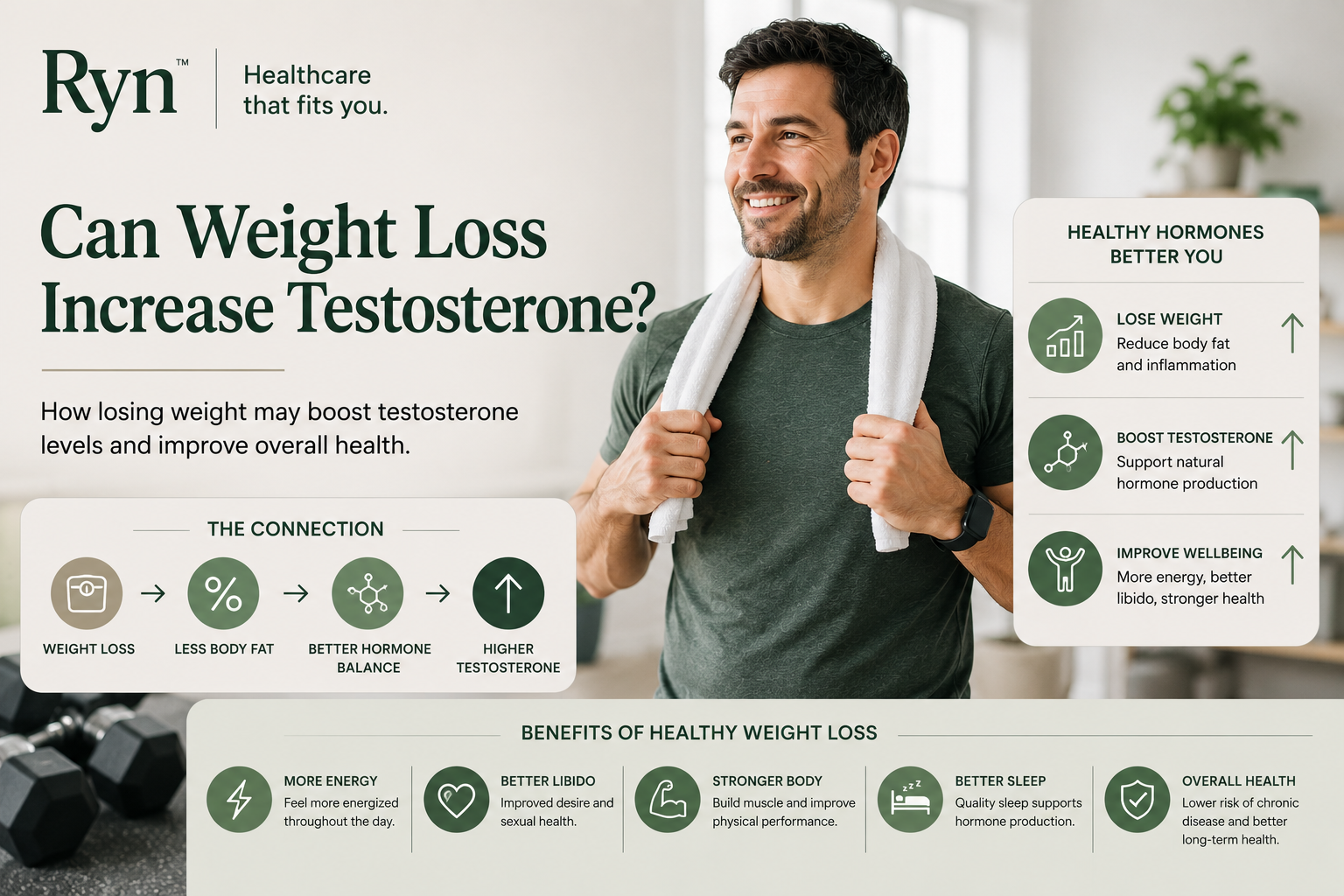
Can Weight Loss Increase Testosterone? What Research Shows
Learn how weight loss may affect testosterone levels, libido, body fat, and overall hormone health in men.
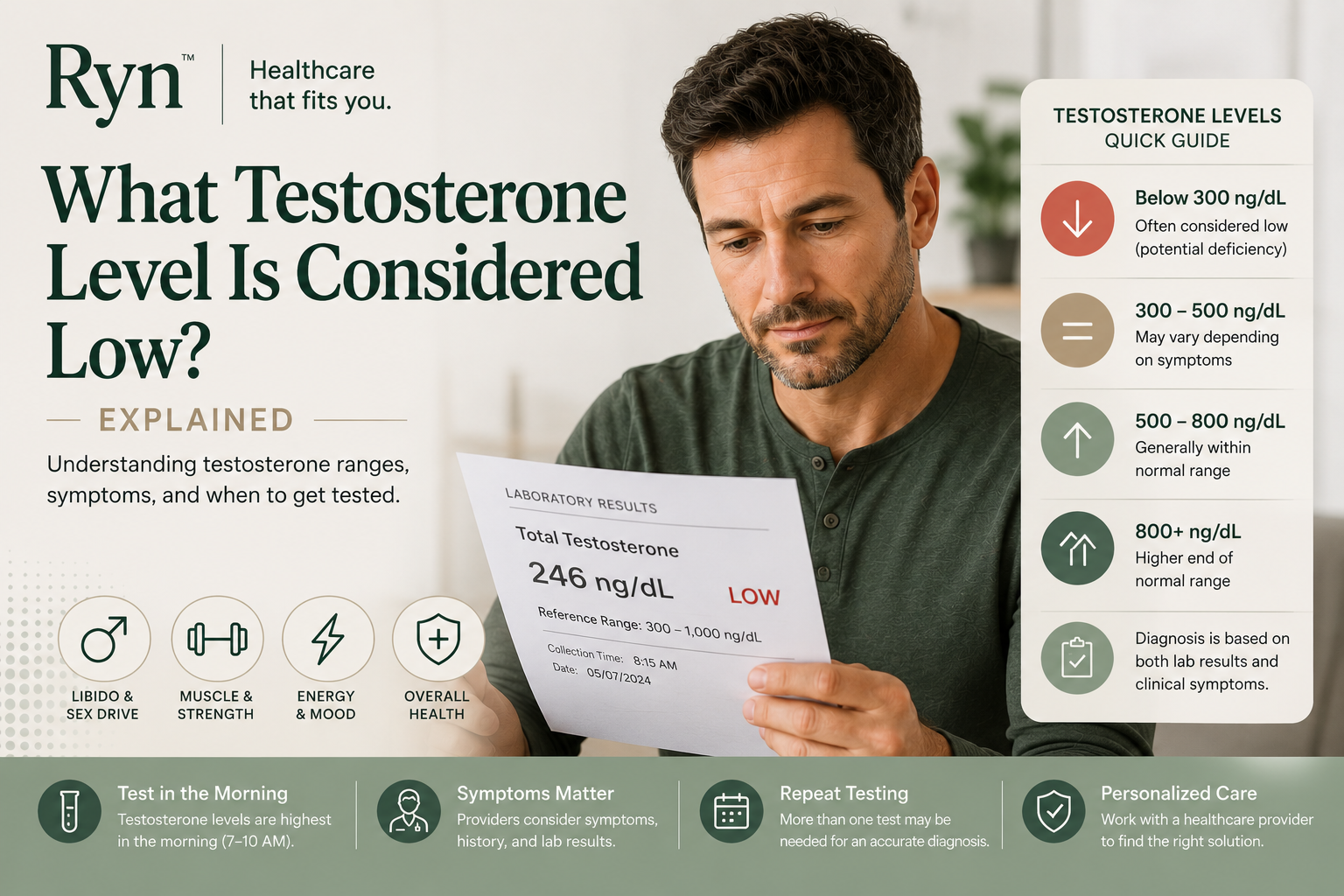
What Testosterone Level Is Considered Low? Explained
Learn what testosterone level is considered low, how providers interpret test results, common symptoms, and when to get tested.

Can Vitamins Boost Testosterone? Top Nutrients for Men
Learn which vitamins may support healthy testosterone levels, how deficiencies affect hormone health, and what science reveals.